On SoundCloud
On YouTube
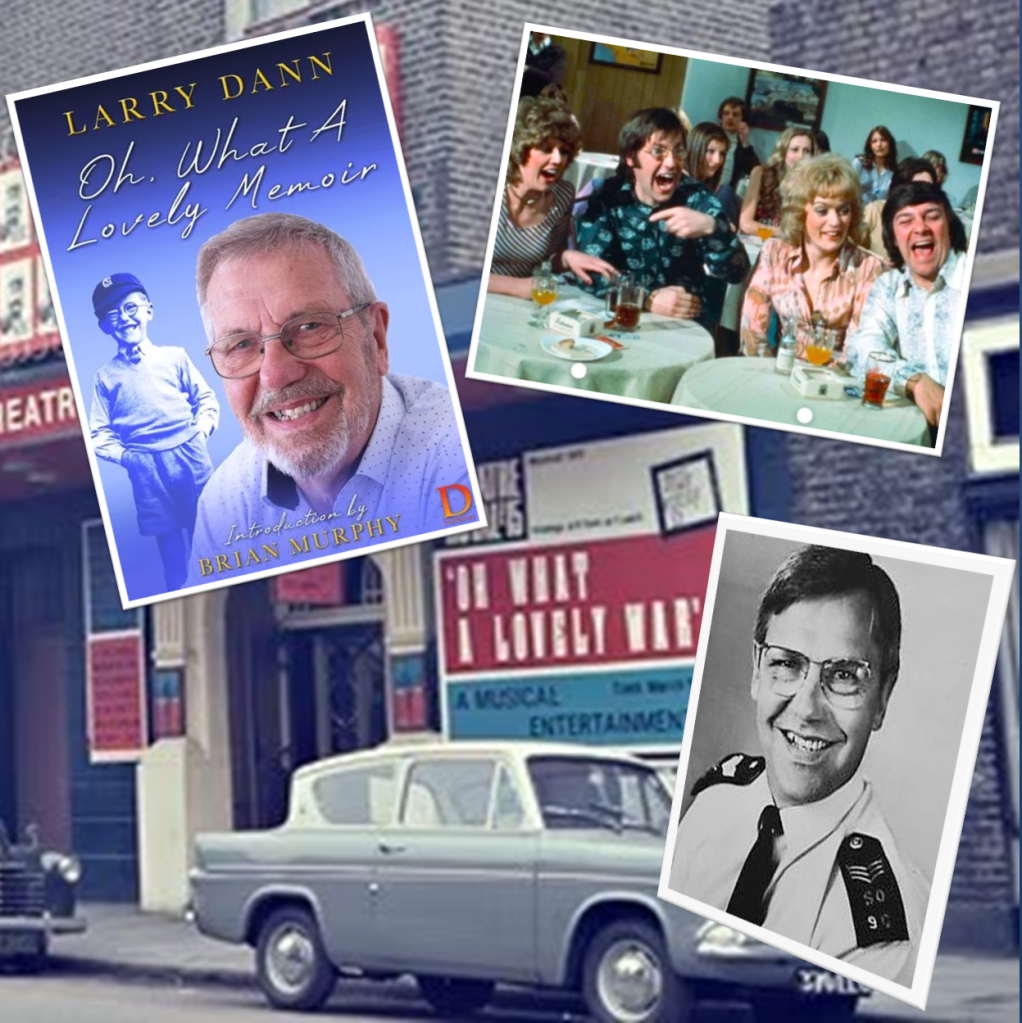
A very warm welcome to the second part of our conversation with leading UK author, publisher, podcaster, television historian, and highly valued supporter and contributor to this podcast, Oliver Crocker. In part one we discussed his acclaimed book on the iconic BBC television series, All Creatures Great and Small; this time, we’re talking about Oliver’s ongoing success story, The Bill Podcast, according to Listen Notes in the top 1.5 % worldwide, as well as actor Larry Dann’s autobiography, Oh, What a Lovely Memoir, edited by Oliver and published by Devonfire Books.
We also learn about a fascinating series currently running for Oliver’s subscribers on Patreon, The Evidence Room, where he takes us deep behind the scenes of The Bill, thanks to an extensive archive of never before seen production documents and correspondence, provided exclusively by long-serving production scheduler, Nigel Wilson.
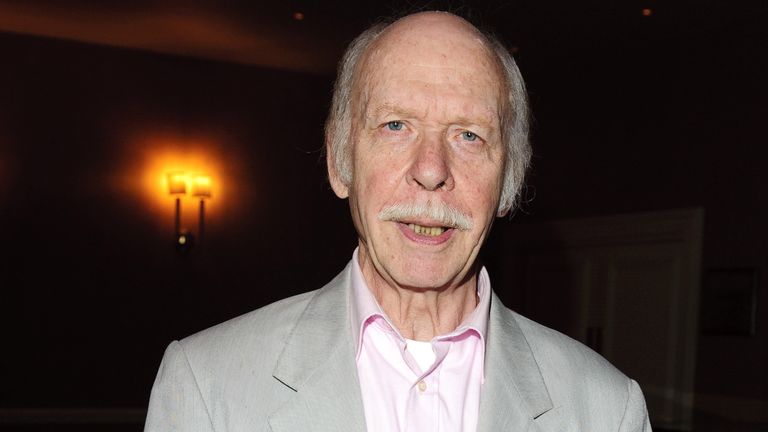
The foreword to Oh, What a Lovely Memoir was written by fellow Theatre Workshop member and later sitcom favourite, Brian Murphy, who sadly passed away since we recorded this episode.
Companion Newsletter

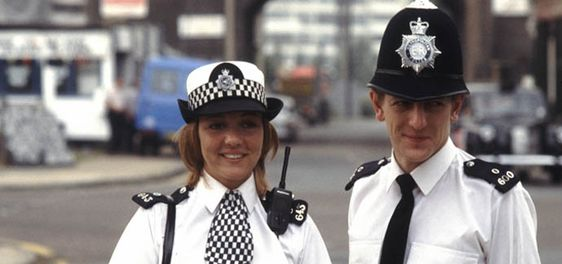
Many hours of The Bill Podcast content is available free on YouTube, SoundCloud, and all the usual podcast platforms, including fascinating interviews with some of its biggest stars and critical people behind the scenes, representing the entire run of the series.
Oliver is also constantly rolling out new, exclusive content for his Patreon subscribers, including a special series we discuss during the podcast, The Evidence Room. Oliver takes us deep behind the scenes thanks to production scheduler Nigel Wilson’s personal archive; including shooting schedules, memos, details of production meetings, internal correspondence, press, commissioned and rejected storylines, and much more. We share the sense of discovery with Oliver in real time as he goes through the files, and it’s a fascinating window into the challenges of producing an ongoing television series while grappling with a changing industry and audience in the 1990s and early 2000s.
Nigel Wilson worked on The Bill from 1984 to 2002, initially as stage manager and then production scheduler, ultimately responsible for ensuring the time-critical availability over 20 key cast members, to feed a complicated operation that had three separate units shooting multiple episodes simultaneously.
His previous credits include working as a stage manager on Kenny Everett programmes, The Agatha Christie Hour, Rumpole, and Shelley. During his time with The Bill, he demonstrated a particular concern for the professional and personal welfare of talent, an attitude not shared by all senior production staff.
Stage Manager Marilyn Edwards, whose experience and knowledge Oliver has also drawn upon, worked on The Bill from 1984-1993, and on other prominent television including Mr Bean, Executive Stress, and Chance in a Million.


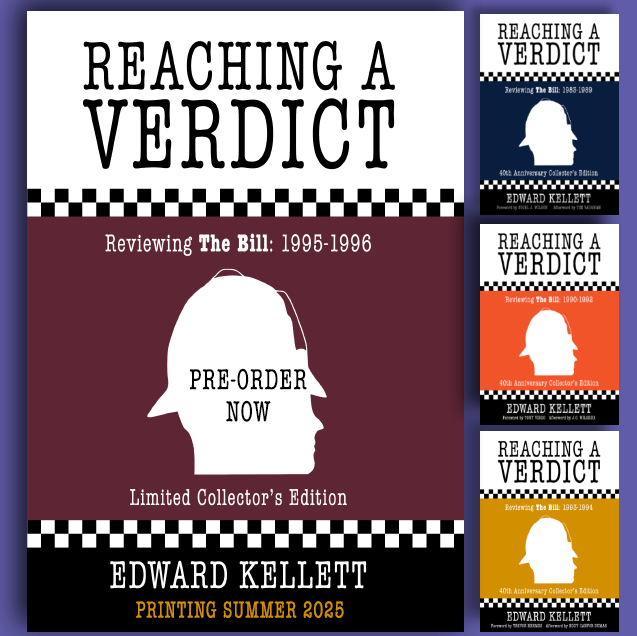
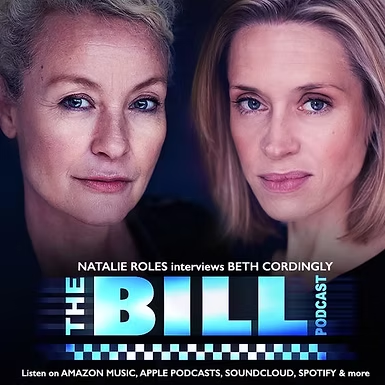
Through his years of extensive research, acclaimed books and interviews, Oliver and his team have created the most comprehensive, authentic history of a long running television series imaginable, entirely through the voices of the people who made it. There is also a wonderful sense of community with his readers, listeners and subscribers, and a safe space to engage and be part of it all by either subscribing to Patreon, or enjoying the huge amount of free content available on the major podcasting platforms.
See also:
From Boycie to Burnside: The Bill Meets Only Fools and Horses
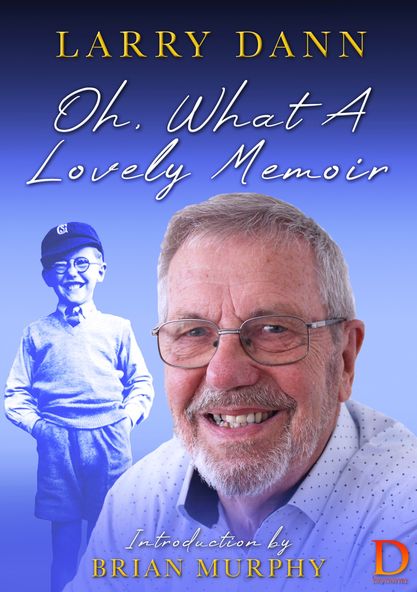
British actor Larry Dann became a household name in the 1980s through his wholly believable performance as the likeable and dependable sergeant, Alec Peters, in 229 episodes of The Bill.
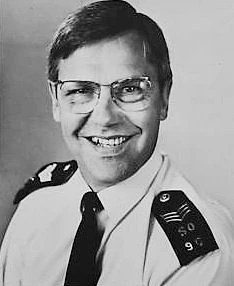
Actors of Larry Dann’s generation learned their craft over many years, through determination, no shortage of courage, and sheer, unrelenting hard graft. Born in 1941, he worked as a child actor in movies, which included a brush with Spencer Tracy, Deborah Kerr and George Cukor, and studied at the Corona Academy stage school from where he built an enduring career on stage and screen.
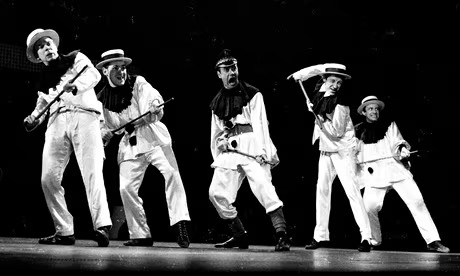
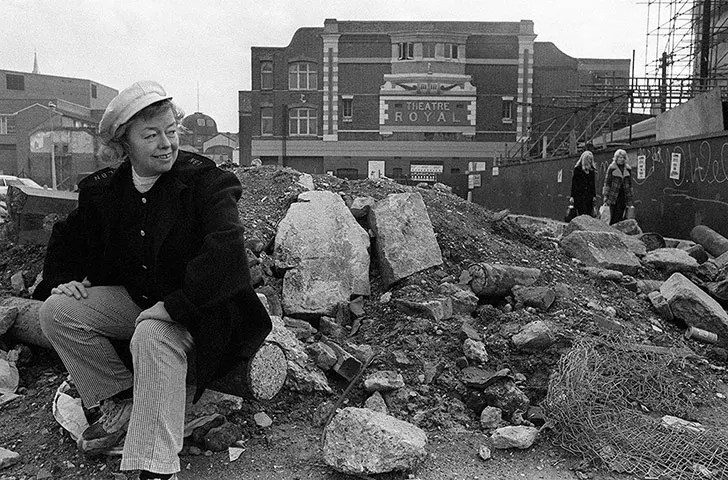
One of many highlights in Larry Dann’s memoir is the fascinating window he affords us into the groundbreaking Theatre Workshop, run by Joan Littlewood, and the production of their huge international hit, Oh What a Lovely War which, according to Michael Billington in The Guardian, not only changed attitudes toward the Great War, it also ‘remade British theatre’.
“…So what effect did Oh What a Lovely War have? It helped change attitudes to the First World War. Although we may have read the poetry of Sassoon and Wilfred Owen, we had never before seen popular entertainment express the disenchantment felt at the time by the average soldier. Looking back at the 1963 programme, it is also clear that the production was intended as a political provocation…On a purely theatrical level, the show also did a lot to loosen up the formal rigidity of the British theatre. It was active in demolishing the gap between stage and auditorium, promoted the growth of the musical documentary and encouraged actors to take responsibility for research and development…”
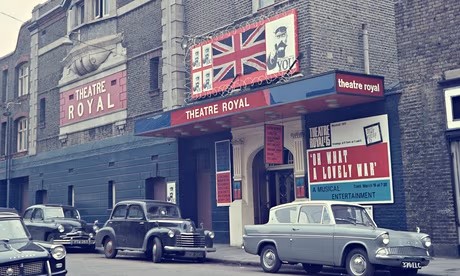
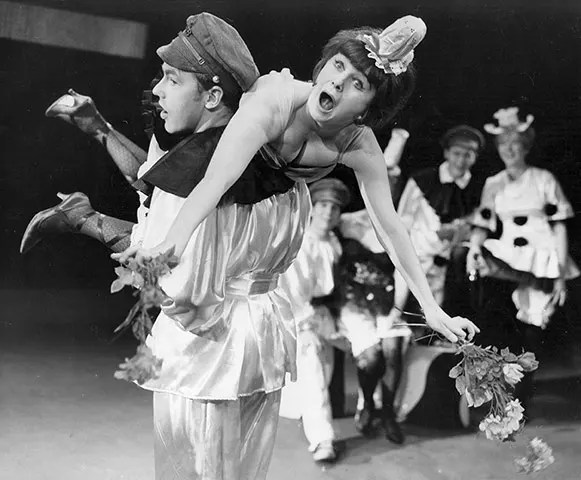
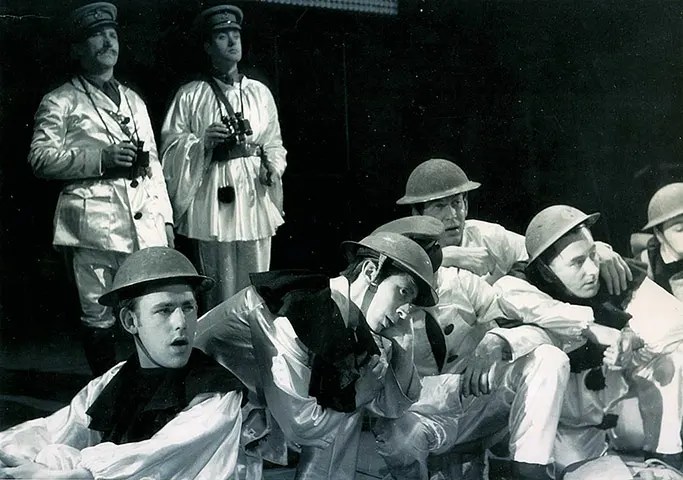
This clip from the BBC Archive provides a fascinating insight into what made the Theatre Workshop tick, and features Joan Littlewood herself and theatre manager Gerry Raffles, along with a few familiar faces.
Larry Dann writes with pragmatic honesty about family troubles growing up, and the rollercoaster career of an actor even with major roles in their CV. Oh, What a Lovely Memoir is a poignant and fascinating social document about life in post-war Britain, and the evolution of stage and screen entertainment.
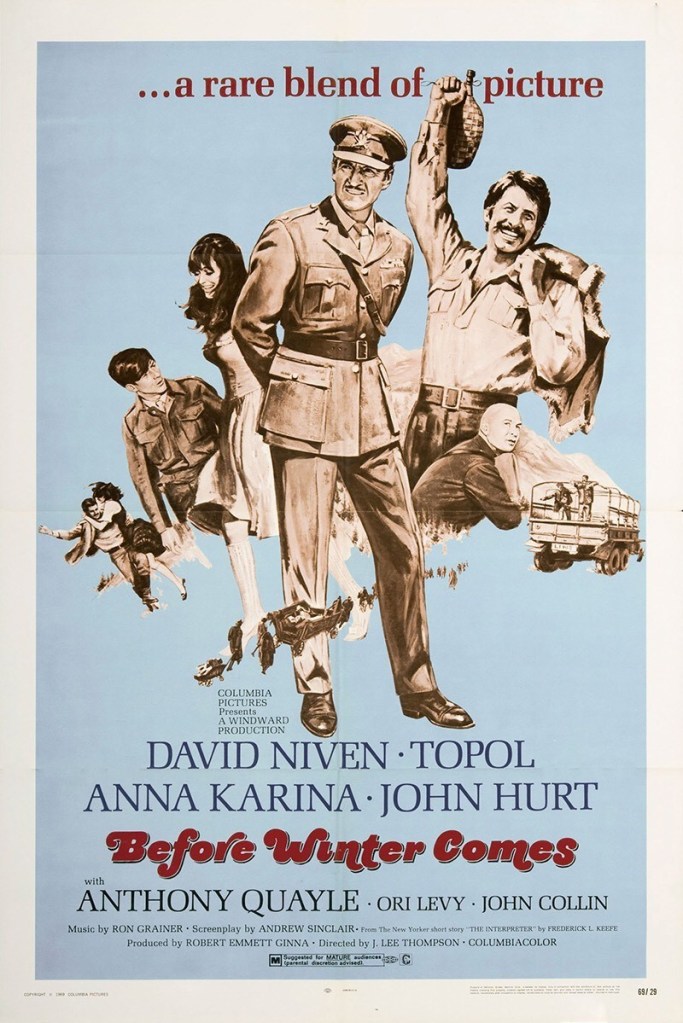
Larry Dann’s diverse film career included some major Hollywood productions and a joyous experience working with David Niven who we learn was just as charming, generous and friendly as his public image portrayed, and neatly bookended the Carry On franchise, appearing in one of the earliest offerings, Teacher (1959), and in the final three of the original run; Behind (1975), England (1977), and the widely maligned, notorious Emmannuelle (1978).
The Carry On franchise (31 movies 1958-78 and 1992, in addition to some television specials), produced by Peter Rogers and directed by Gerald Thomas, was an enormously profitable enterprise, released in cinemas initially through distributors Anglo-Amalgamated and then from 1967, through the J Arthur Rank Organisation. All but a couple made a profit on their initial cinema release, and have been on constant television rotation internationally ever since.

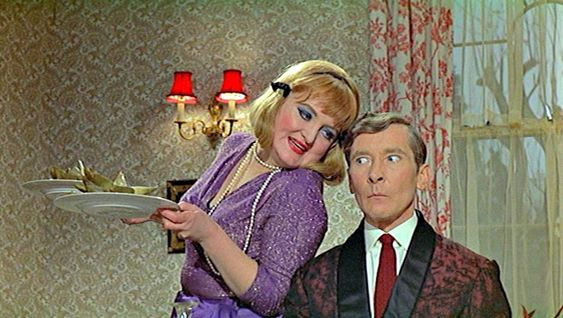
Carry On films would continue to bring in money for the producers for decades. Even the top-billed talent, however, were paid modest fees with no residuals, a fact confirmed by Larry Dann, who offers fascinating and warm recollections of the much loved Carry On Gang, particularly Kenneth Williams and Kenneth Connor.
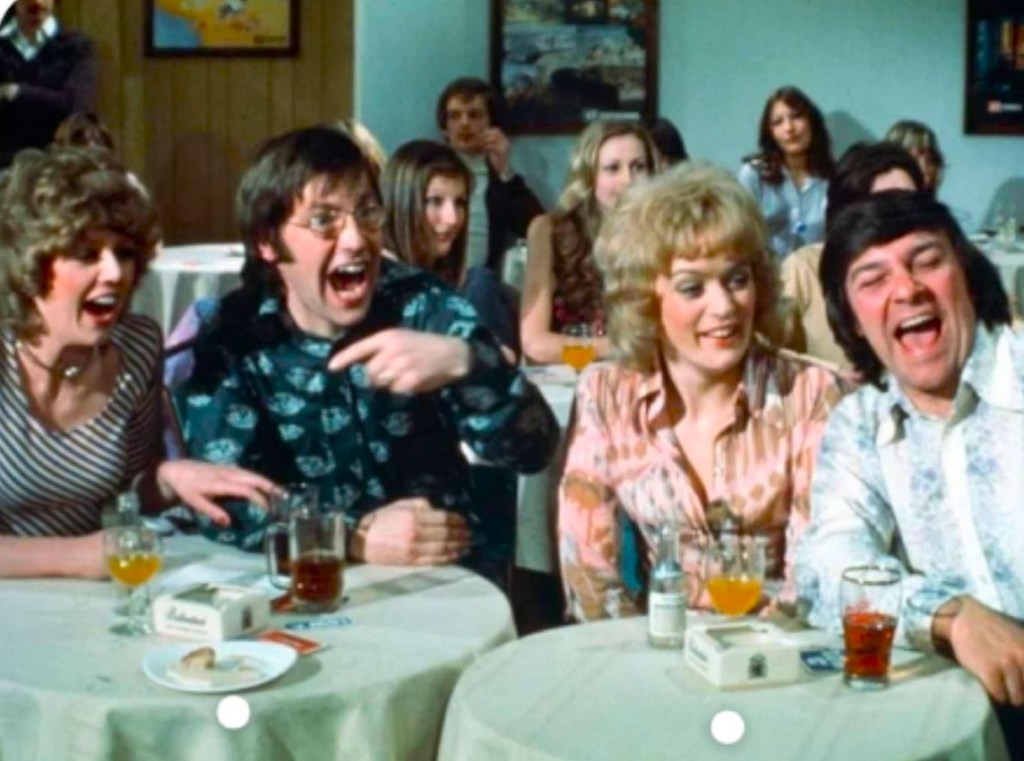


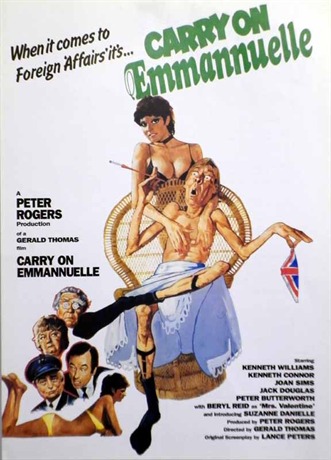
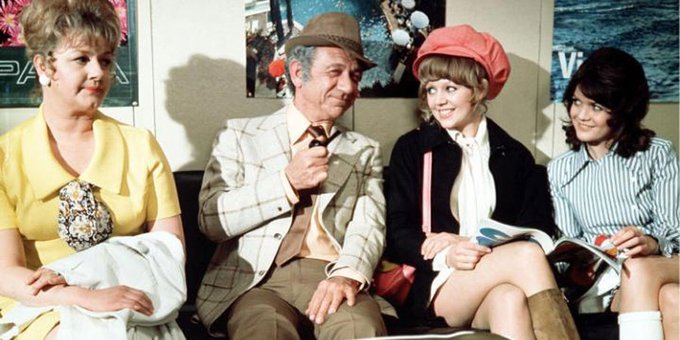
Oliver alludes to a ‘new’ addition to the Carry On franchise currently in development. The British Comedy Guide (quoting the Daily Star Sunday) explains, in a 2024 article, that the title is, or will be, Carry On Beside The Sea, noting that it will be essentially a remake of Carry on Girls, with a stage production also being talked about. The Comedy Guide also explains;
“…The most notable recent attempt to restart the Carry On series with new feature films was launched at the Cannes Film Festival in 2016. A script for Carry On Doctors was completed but internal, legal wrangling brought an end to the plans…Three films were announced in 2019 to be shot back to back the following year, but nothing came of those plans either…”
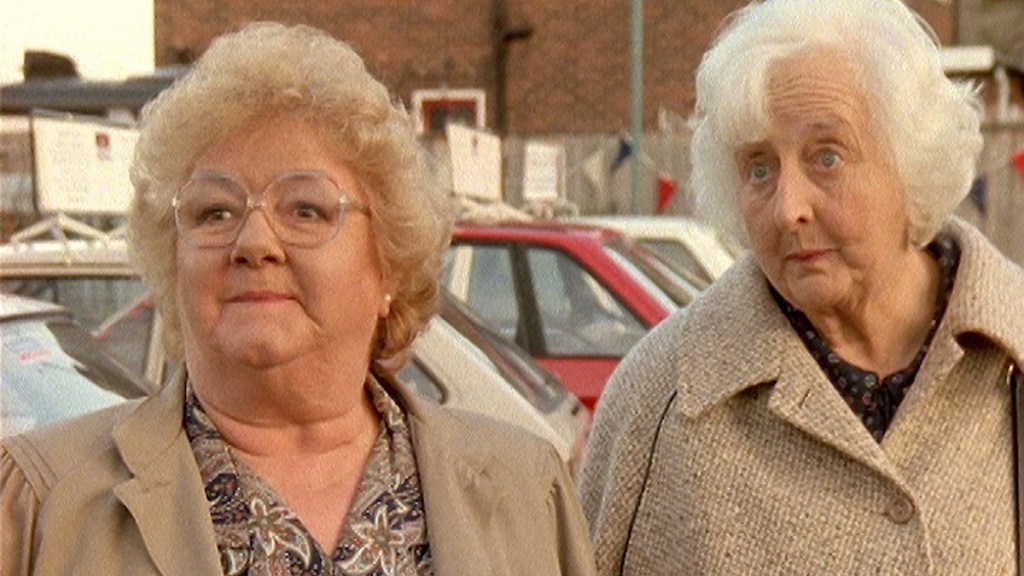

Clarification: Regarding a point made during the podcast about Joan Sims’ health and financial situation in her declining years, there are conflicting reports about whether or not Carry On producer Peter Rogers did, in fact, provide assistance. Some reports claim that Joan Sims’ request, either made personally or by her friend Liz Frazer depending on the source, was refused.
Although not referencing Joan Sims specifically, in 2009 Julie Carpenter wrote in the Daily Express;
“…Further contradicting Rogers’s tight-fisted image is the fact that he could be charitable. He provided homes for redundant pit ponies, helped guide dogs for the blind (he loved his Alsatians) and continued to be sympathetic to old colleagues in need of help and advice. Leslie Phillips always said he was “very fond” of Rogers and called him an “amazing man”…”
Very special thanks to Oliver Crocker, and to all our listeners and readers.
Suggested Further Reference
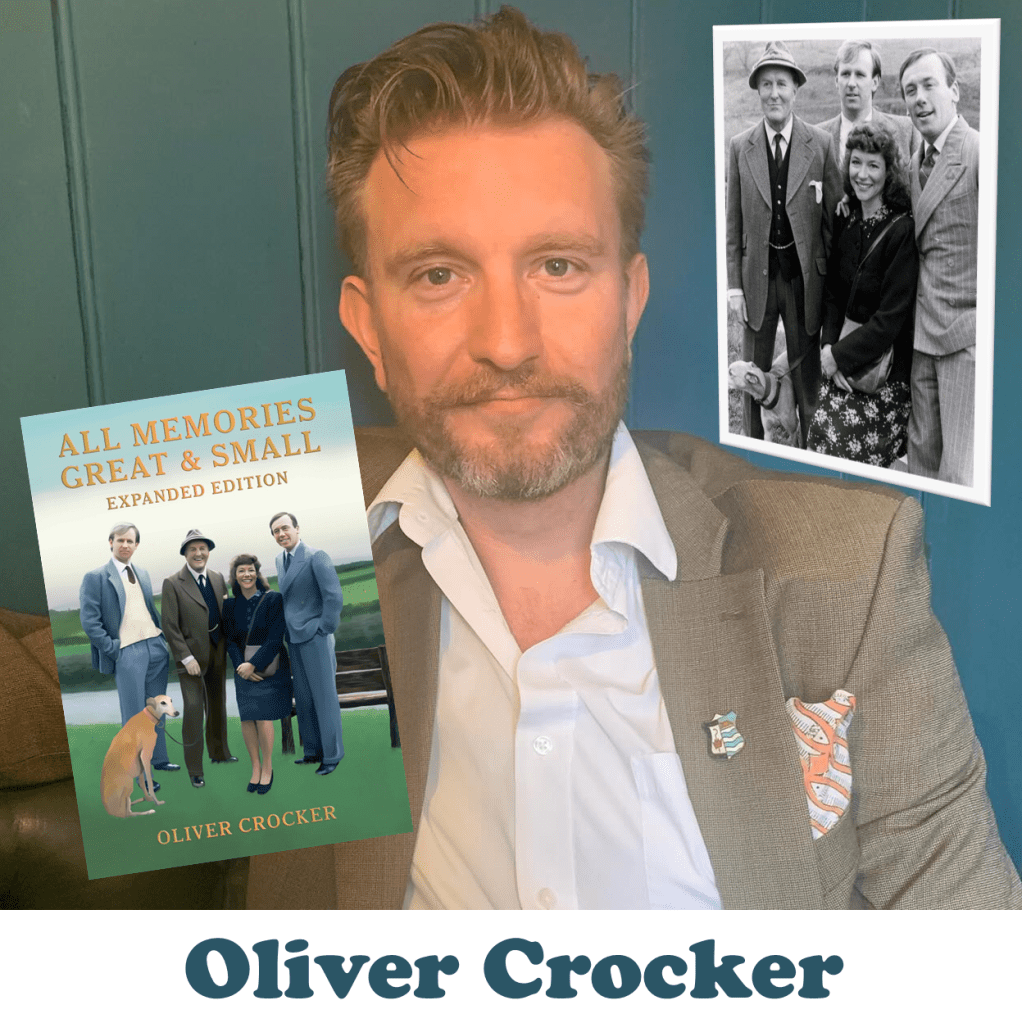
Oliver Crocker talks All Memories Great and Small
In Conversation with Oliver Crocker
More on Oh, What a Lovely Memoir
Oliver’s interview with Larry Dann on The Bill Podcast;
Rabbit and Snail Films YouTube Channel (On The Buses Cast Interviews)
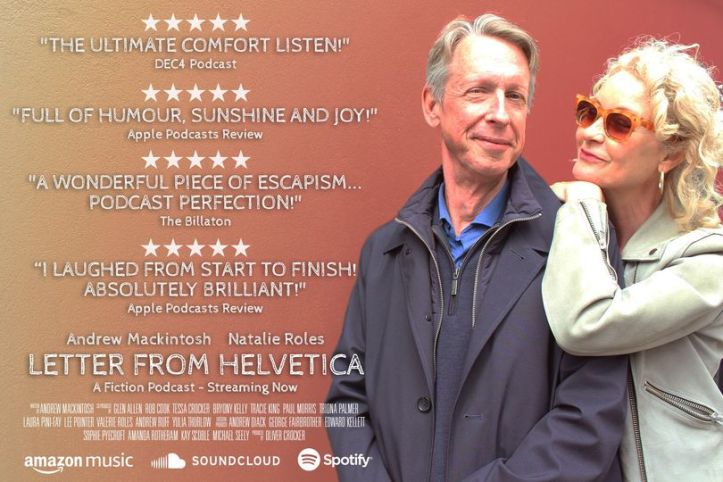
A Conversation with Andrew Mackintosh
Please help us to maintain our page quality by reporting any redundant or malfunctioning links.
Disclaimer: George Fairbrother and DEC4 Publishing are sponsors of The Bill Podcast and Letter from Helvetica.
 The DEC4 Podcast by George Fairbrother