On SoundCloud
On YouTube
This episode, we take inspiration from some articles by our leading contributor, Gary Wells, on his hit website soulrideblog.com. First, we discuss the sequel to the groundbreaking 1973 movie classic, American Graffiti, as we follow the fortunes and misfortunes of our favourite characters in an increasingly troubled 1960s America.

We also learn about an independent film studio and distributor, American International Pictures, founded by Samuel Z Arkoff and James H Nicholson, which transformed the movie-going audience and carved its own niche in film history as the old Hollywood crumbled around it.
Chapters
Timestamps refer to the YouTube version. There may be some variance on other platforms
| 0:00:00 – More American Graffiti |
| 0:48:15 – American International Pictures |
| 1:24:40 – ADDITIONAL DISCUSSION; Donna Loren | Navigating the line between fan & commentator | Respecting both subject & audience | Clinging to honesty & authenticity in an AI landscape |
| 1:32:31 – END NOTE: Gary’s personal comments on American Graffiti for the 50th anniversary (Recorded in 2023) |
We first discussed American Graffiti and (briefly), More American Graffiti, back in 2021.

Companion Newsletter & Directory
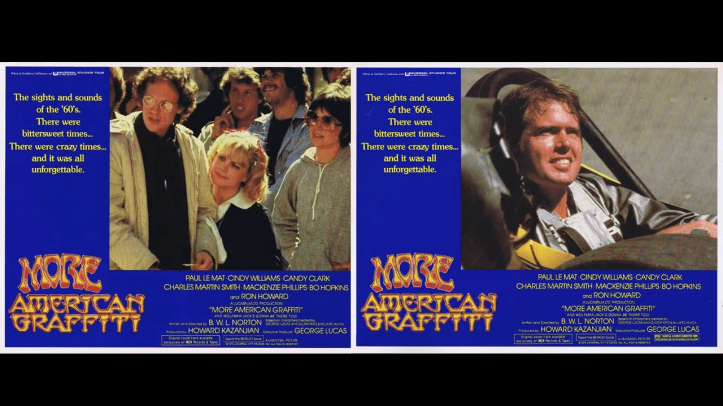
More American Graffiti might not have made the cultural and financial impact of its predecessor, but is a fascinating movie and time capsule in its own right, and we argue should be appreciated as more than just a postscript overlooked in the shadow of the original’s unprecedented success.
Gary writes;
“…(George) Lucas made American Graffiti in 28 days for $775,000. Test audiences loved it; Universal hated it. Producer Coppola was miffed and said he’d buy it back from the studio. But Universal finally released it and it became one of the original sleeper hits. The film initially grossed $55 million – $325 mil in today’s dollars. In 1978, Universal re-released it and it grossed an additional $63 million bringing the total to $118 million or $697 million. It is currently the 43rd-highest grossing film of all-time, adjusted for inflation. American Graffiti has one of the highest cost-to-profit ratios in movie history…”
More American Graffiti was written and directed by Bill L Norton, and followed in 1979. It charted the lives of the principal characters from the original, with the exception of Richard Dreyfuss (Curt), in the increasingly chaotic and dark world of post-Kennedy, late 1960s American counterculture and the Vietnam War. Although it was not the colossal success of the original, it was in general release for 126 weeks and grossed 15 million on a budget of three million dollars.
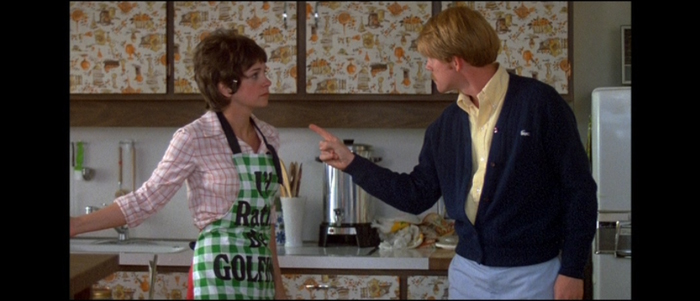
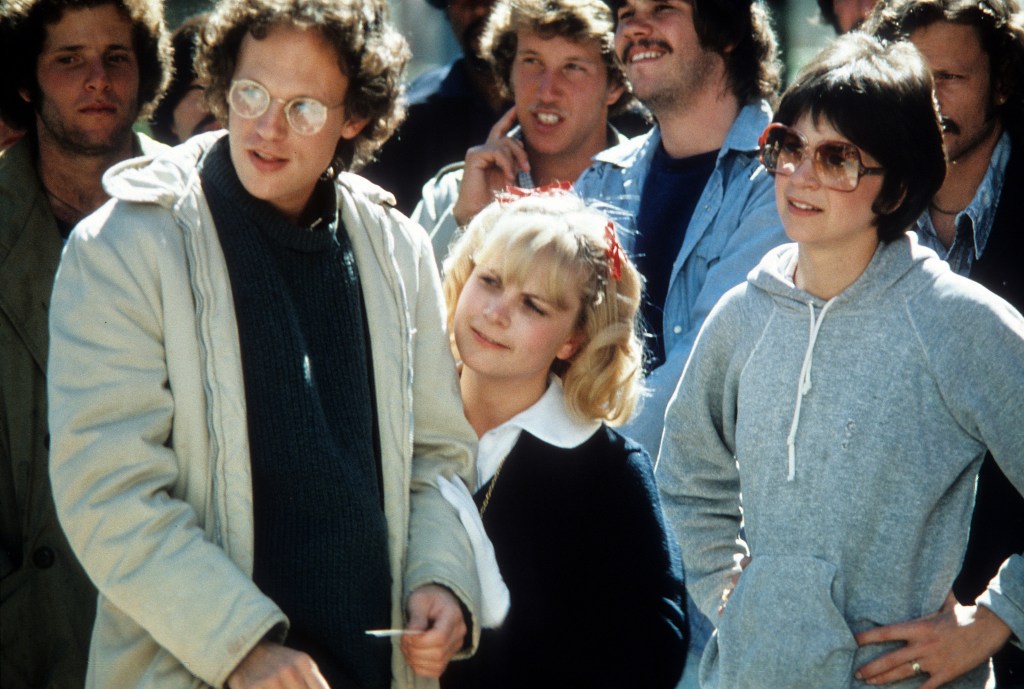
From not-quite domestic bliss to the heart of campus protest
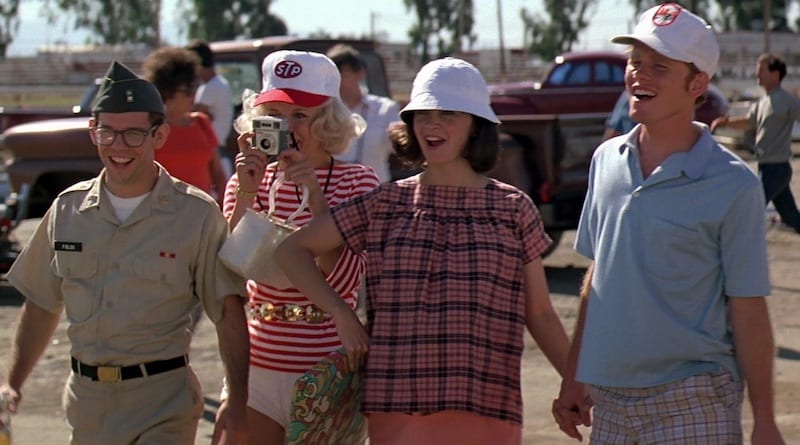
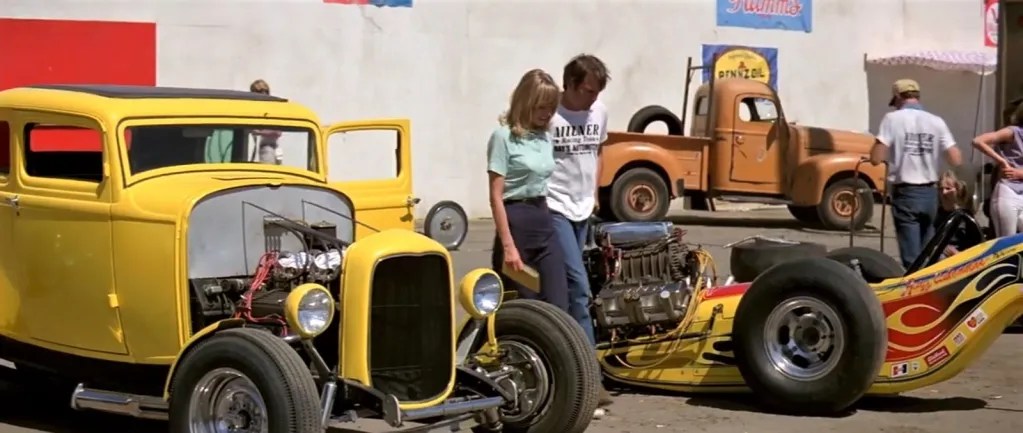
We soon get the sense that our characters are living in very different and clearly defined worlds that rarely, if ever, collide, with the exception of Steve and Laurie (Ron Howard and Cindy Williams), drawn from their middle-class, domestic discontent into the the dangerously earnest world of student protest. It’s no accident that we see the unfolding stories in this way, as Gary writes;
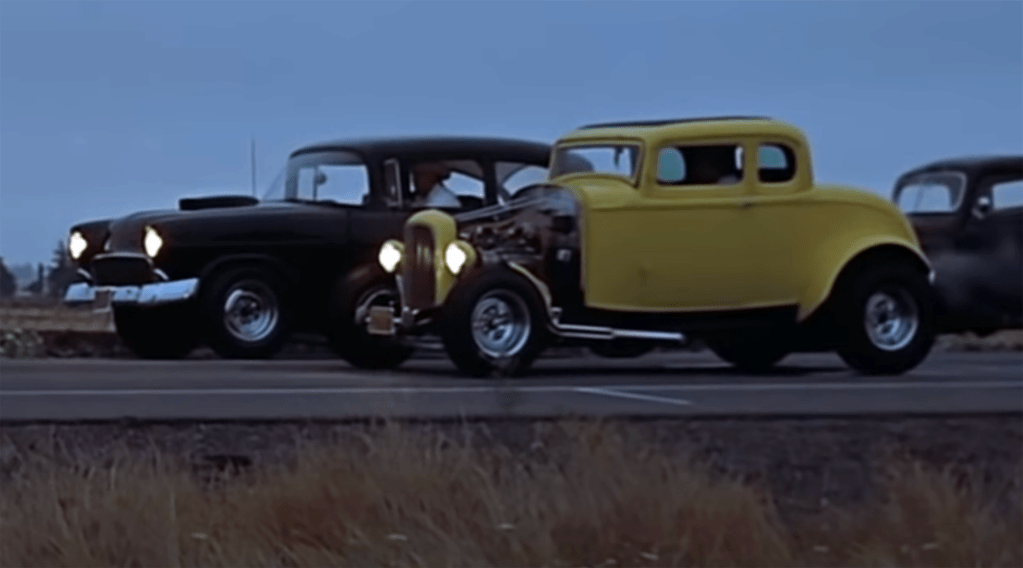
“…. It was George Lucas who came up with the idea to film each of the four segments in a different visual style. 1964 is filmed to look like a 1950’s drag-racing film with a wide angle, 1965’s Vietnam sequences were shot in 16mm harkening back to the visuals from the television reports of the time. The psychedelia of 1966 was echoed in the split-screen technique borrowed from films like Woodstock and Elvis on Tour and the student demonstrations of the 1967 segment were shown in a style borrowed from student rebellion films of the late 1960s. I think this technique works as it makes it very easy to differentiate between the segments and reinforces the feeling of getting four distinct stories…”

Very different worlds
Read Gary’s dedicated article on More American Graffiti, upon which we based our discussion, here;
Gary explains;
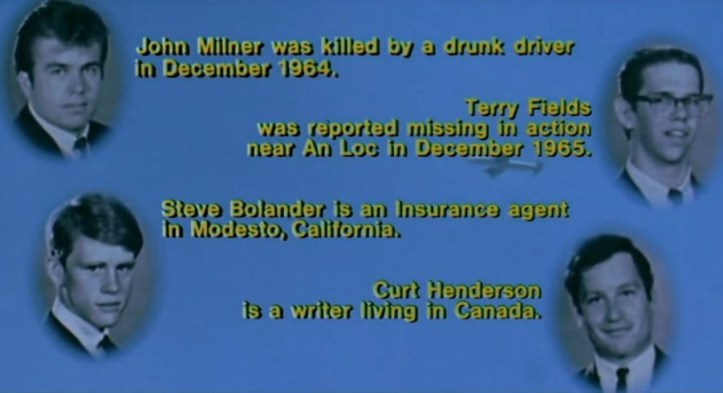
“…More American Graffiti is just as much about the sixties as its predecessor was, but it deals more with the realities of that time, maybe it’s more about melancholy than it is about nostalgia. American Graffiti saved the realities of life for that final title card; More American Graffiti, those realities hang over the proceedings from the outset, but you watch it anyways, which I couldn’t help but feel, that’s like life; you know tragedy and heartache are real and may come at any time, but you live anyways…”
American International Pictures

American International Pictures, established initially as American Releasing Corporation in 1954, rose out of the ashes of a crumbling Hollywood studio system. As early as 1948, the New York Times was reporting on ‘grim times’ for the major studios, with international revenues plummeting and domestic receipts down by as much as 25 percent. That year, the United States Vs Paramount anti-trust ruling required studios to divest from their theatre chains, television was taking hold, and a remarkable generation of moguls was ageing, feeling battered and insecure from the House Un-American Activities hearings, and losing touch with evolving audience tastes and expectations.
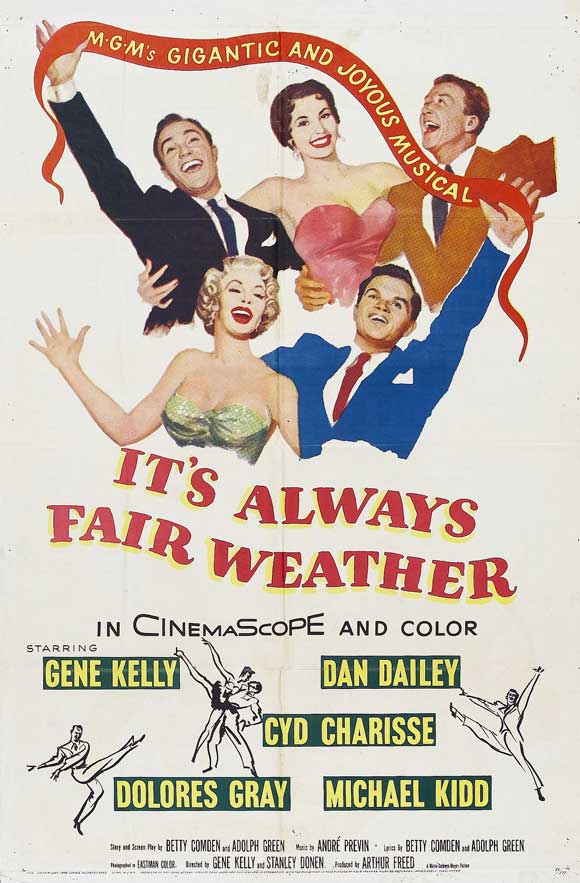
According to MGM Freed Unit staff writers Betty Comden and Adolph Green, they knew the game was up when It’s Always Fair Weather (1955) was not afforded the usual gala premiere and pick of the first-run theatres, instead opening in multiple drive-ins. Gary aptly describes Hollywood’s transition during this period as ‘From the floodlights to the headlights’.

Sam Arkoff had no time for big budgets, actors’ egos or highbrow critics and, unlike the increasingly bewildered old guard running the legacy studios, knew his audience;
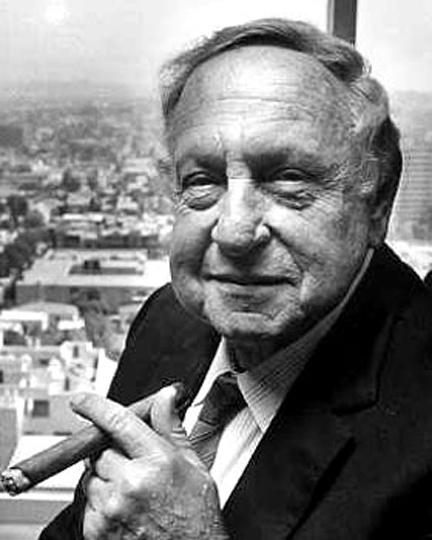
“…TV might have been keeping parents at home, but teenagers needed to get out of the house and be with kids their own age…if we concentrated on movies aimed at the youth market, we might be able to create a lucrative niche for ourselves…”
Read more at Gary’s review of Sam Arkoff’s 1992 autobiography written with Richard Trubo, Flying Through Hollywood by the Seat of My Pants;
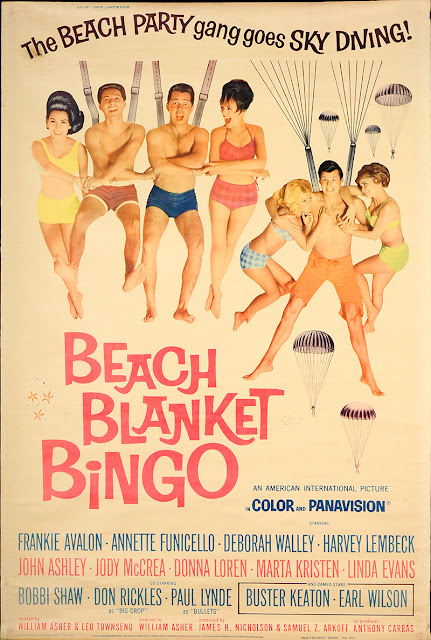
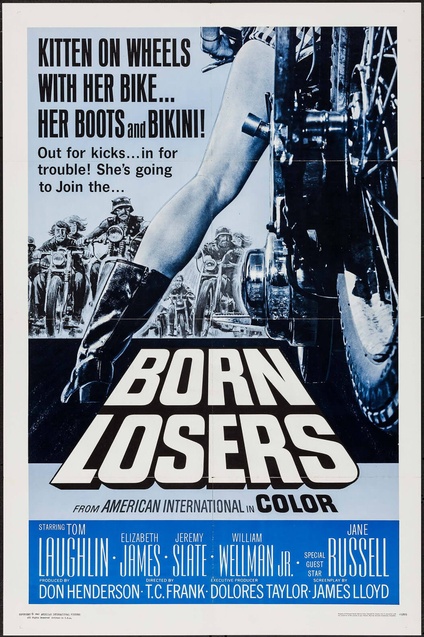
More from Gary:
Like American International Pictures itself, producer and director Roger Corman’s place in film history transcends his filmography. He hired promising young directors who were willing to work for practically nothing on low budget projects. Graduates from what Ron Howard once referred to as ‘Roger Corman U’ include Howard himself, Martin Scorsese, Francis Ford Coppola, Jonathan Demme and Peter Bogdanovich.

According to Roger Corman’s obituary in Variety
“…He specialized in fast-paced, low-budget genre movies — horror, action, science fiction, even some family fare — and his company became a work-in-training ground for a wide variety of major talents…From 1955-60 Corman produced or directed more than 30 films for AIP, all budgeted at less than $100,000 and produced in two weeks or less…”
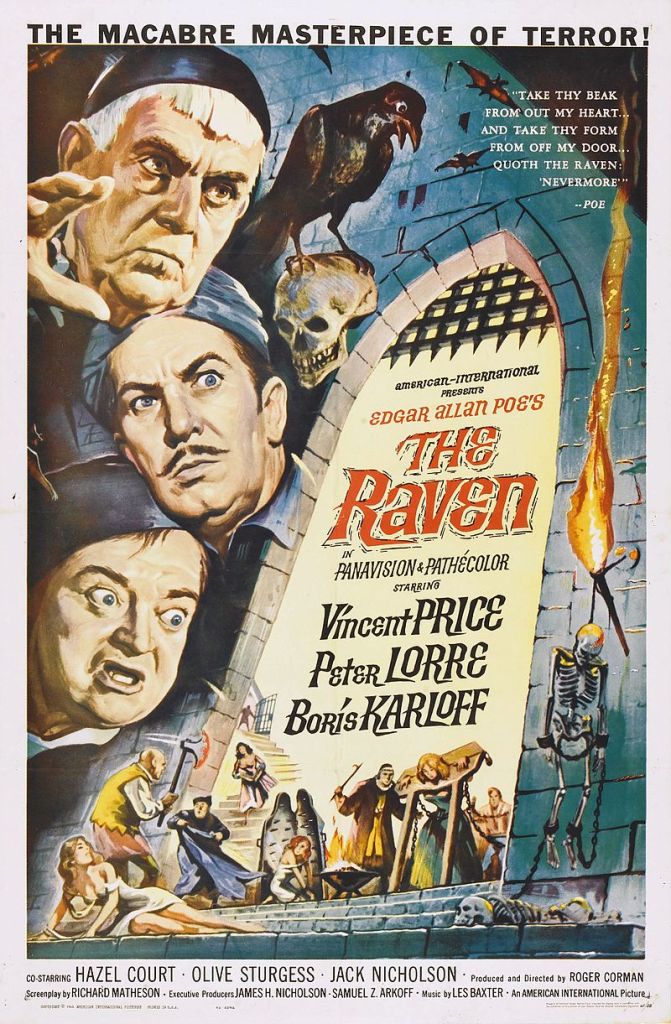
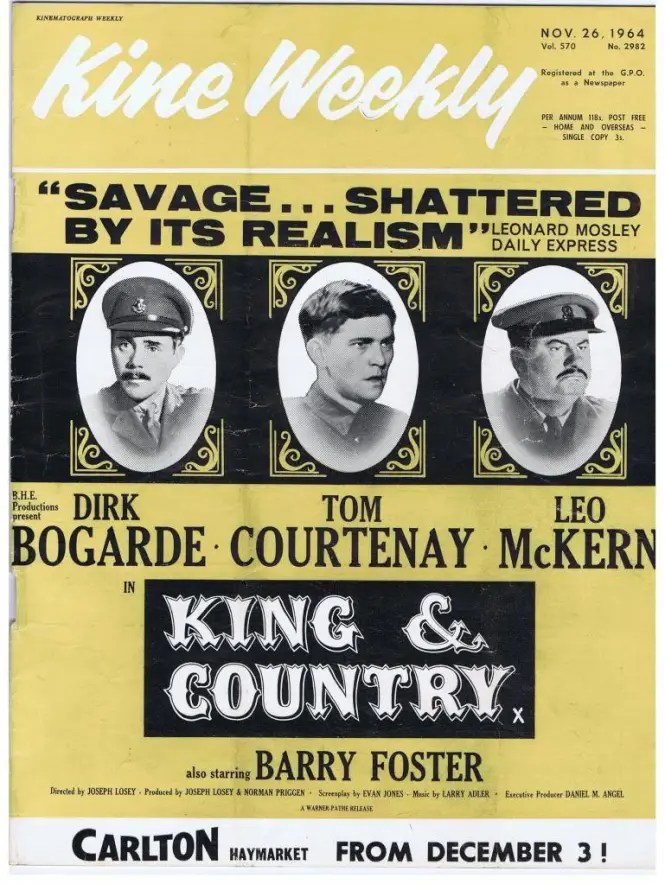
AIP’s output wasn’t all hot rods, monsters, bikers and beach parties. An interesting addition to their catalogue was King and Country, a 1964 Great War courtroom drama picked up for re-release in 1966. It was directed by Joseph Losey, who had been named during the HUAC hearings and could not find work in the US, and featured a stellar cast of British actors.
In 1979, American International Pictures was sold to feature film and television production house, Filmways, bringing the curtain down on a remarkable chapter in movie history.
Special thanks to Gary Wells, and to all our readers and listeners.
Suggested Further Reference
Gary Wells’ Vintage Leisure: American Graffiti Collection
American International Pictures (brief history and studio idents)
The Hollywood Reporter: United States Vs Paramount Pictures & the Consent Decrees
Roger Corman Obituary at Business World
Gary Wells on All For a Few Perfect Waves (Miki Dora) by David Rensin
We talk a little more about the state of Hollywood in the late 1960s, particularly MGM, in our episode on 1970 documentary film Elvis That’s The Way It Is.
Easy Riders, Raging Bulls, a great book on the ‘New Hollywood’ by Peter Biskind, which has also been made into a documentary.
Please help us to maintain our page quality by reporting any malfunctioning or redundant links.
 The DEC4 Podcast by George Fairbrother