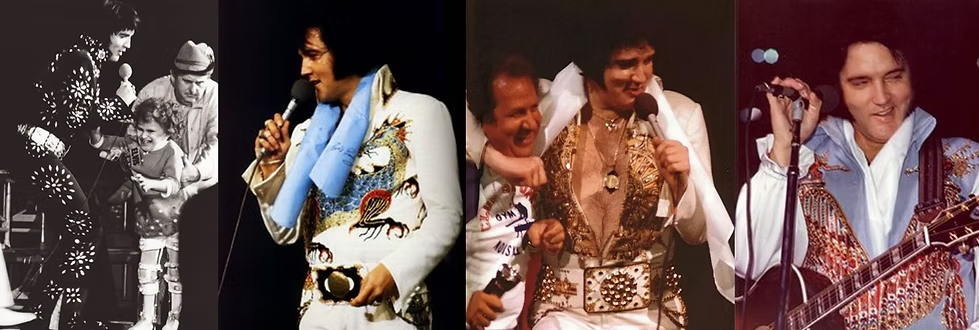
A very warm welcome to our live performance playlist celebrating Elvis’ life on the road in the 1970s, but with a focus on the widely misunderstood period between the Aloha From Hawaii event and his final concert in Indianapolis, in June of 1977.
We owe a huge debt of gratitude to Francesc Lopez and his brilliant pioneering website, www.elvisconcerts.com, for much of the tour background, stats, itineraries, and quoted press coverage accompanying our YouTube uploads.

Read more about Francesc’s website, including an interview with Francesc himself, here.


Through unofficial audio of concerts from 1974 – 77, some recorded from within the audience and others bootlegged directly from the engineers’ soundboard, we can get to know Elvis as a working entertainer and human being, rather than a cartoon hero. It’s also worth noting that, as Elvis rarely, if ever, spoke to reporters in the years following Aloha, these recordings are the only medium in which we can hear Elvis talk and tell often humorous and self-deprecating stories, as he shares tour and personal anecdotes with his audiences.
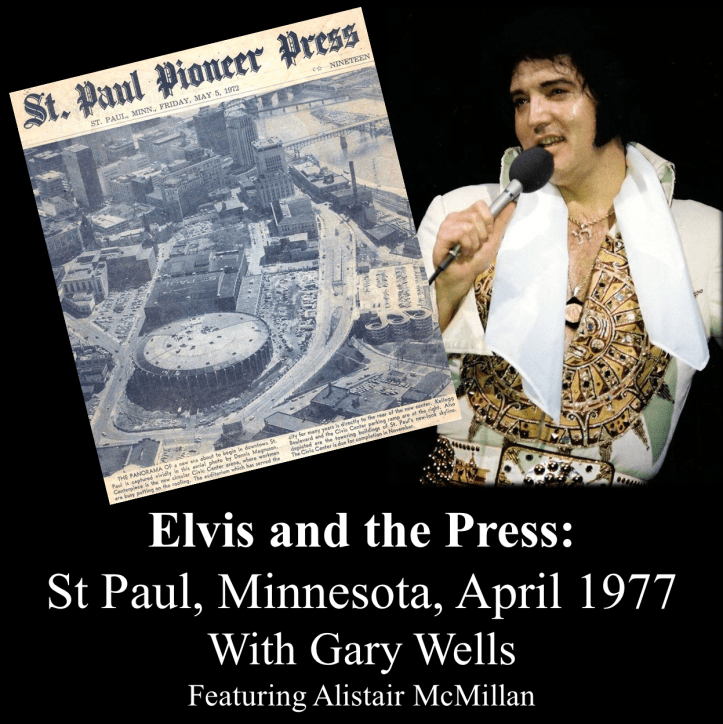
We can also make up our own minds about Elvis’ performances, instead of having our opinions shaped by often unfairly negative press reviews which have gone on to inform various biographies and have, as a result, become something of an official account. We explore this in a little more detail in our interview with Francesc Lopez, and in our ‘Elvis and the Press’ episodes, in particular St Paul, Minnesota, in April 1977.
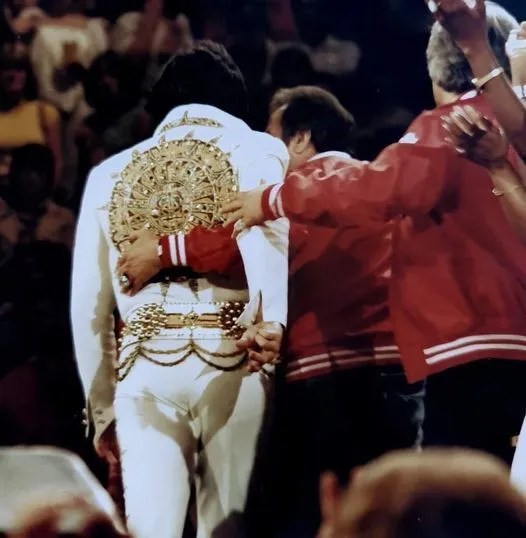
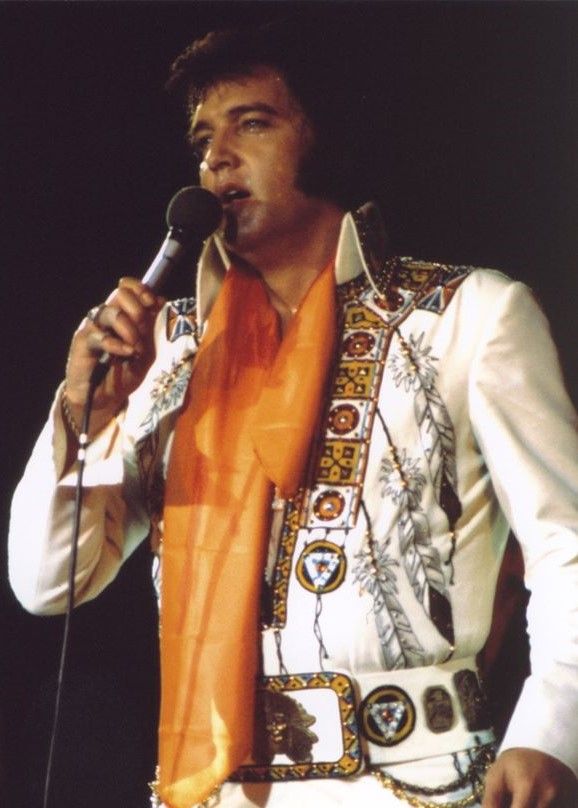
There were nights, right up to the very end, when he was on fire, his voice sounded better than ever, and he could enthrall a huge stadium audience right to the back row; without giant video screens and with only rudimentary lighting. He had fun with audience members, and with the band, was unfailingly polite to fans, and laughed at himself and his image. He no longer rehearsed, forgot lyrics occasionally (or couldn’t be bothered learning them in the first place), stopped and restarted songs if he wasn’t happy, and improvised on stage. He could be grumpy, especially with sound imperfections (feedback was a constant source of annoyance), and there were nights that he was homesick, lethargic, medicated and unwell, which inevitably affected his performance.
He turned up, night after night, whether he felt like it or not. The reality, beyond the mythmaking, was that he was a working entertainer who needed the money, and who was responsible for the livelihoods of hundreds of people, while living with addiction and erratic mental health. The human aspect is a fascinating story in itself, and without the bootleggers, so much of this history would be lost.
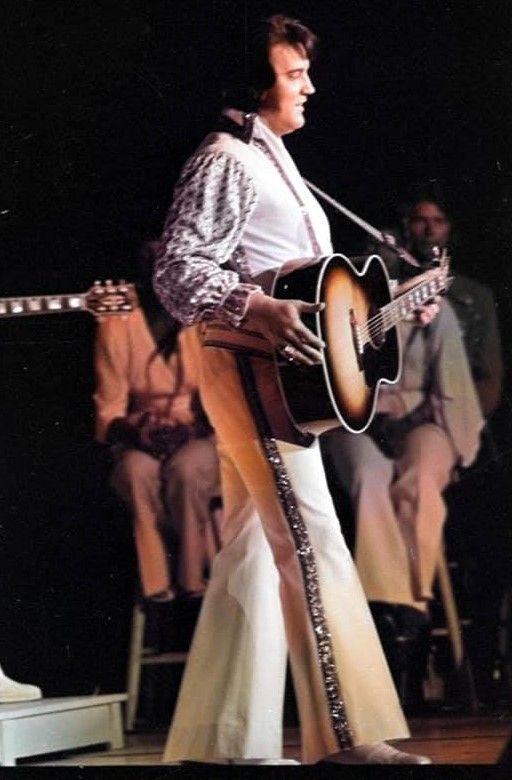
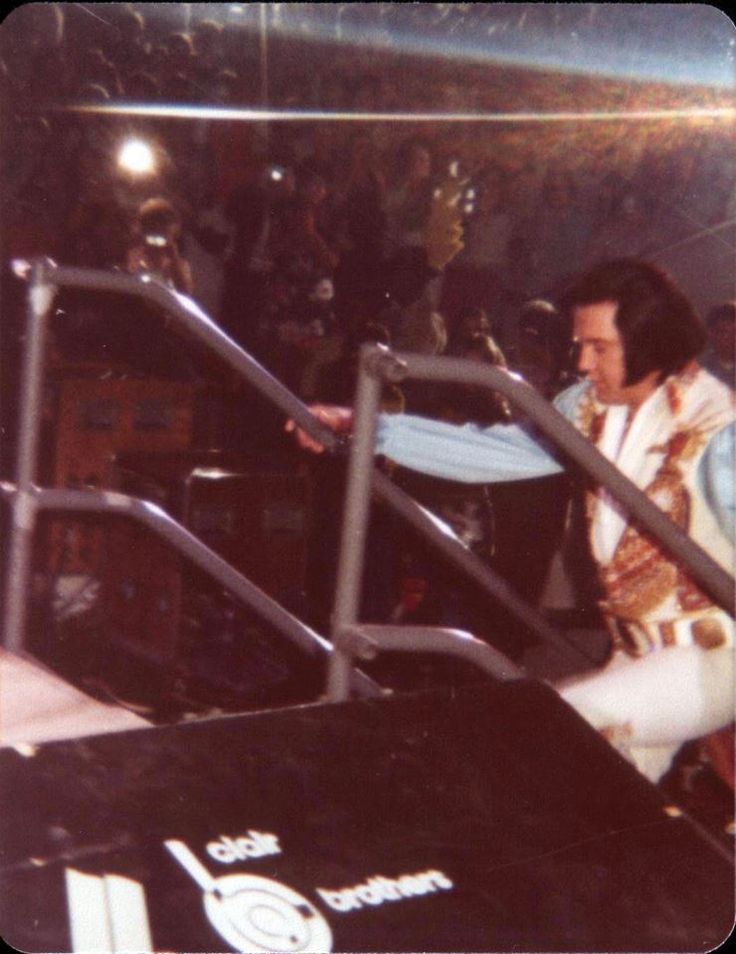


These uploads are not monetized. For the sake of completeness, copyrighted material is retained so any revenues are directed to the music and spoken word rights holders. Due to rights reasons, certain content may be restricted in some regions.
Although this playlist is no longer updated, comments are always welcome, are moderated and answered where appropriate, and we’d love you to join the conversation.
Featured Shows and Clips (Audio)
Supporting Talent
Other Related Content
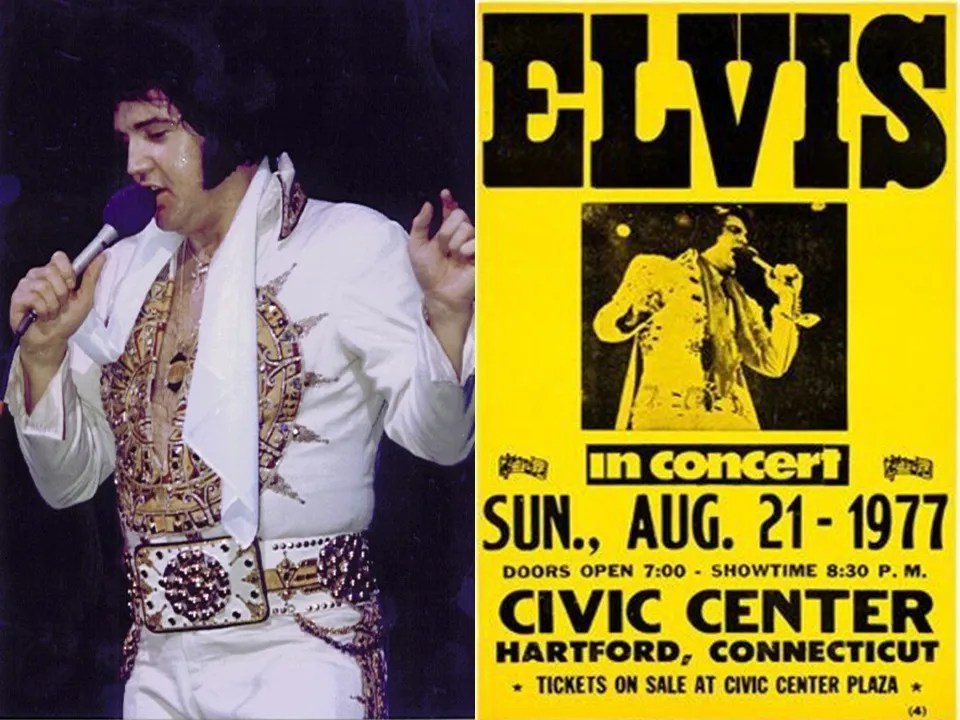
Elvis – The Summer of 1977 and Beyond (Substack Article)

The 1975 McComb Tornado Benefit (Substack Article)

Presley Center Courts (Tumblr Article)
Lake Tahoe Background and Stats (Tumblr)
Elvis Welcomed to the Sioux Nation, June 21st, 1977 (Tumblr Video)
For our Elvis related podcasts, please check out our homepage or curated playlists.
We do hope you enjoy exploring these recordings, and hearing the real Elvis as you may never have before.
Please help us to maintain our page quality by reporting any malfunctioning or redundant links.
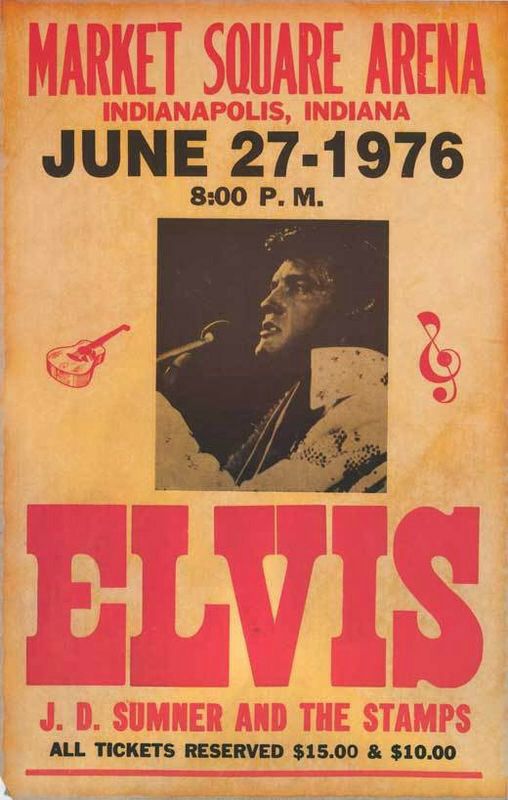


 The DEC4 Podcast by George Fairbrother