Updated August 2025 – Omnibus Edition
The very first time Gary Wells joined us back in 2021, we talked about the 1970 MGM concert documentary, Elvis That’s the Way It Is, which we presented as a two-part podcast. We’ve now combined those two episodes, with some additional content, as an expanded omnibus edit.
It’s the summer of 1970, and Elvis is riding a wave of renewed commercial and artistic success; he is once again making some great music, topping the charts, and is already the number one live act in Las Vegas. From a number of different perspectives, Elvis That’s the Way It Is documents the lead-up to Elvis’ third season at the International Hotel, and takes us into the showroom, and backstage, for the first few performances.
Elvis That’s The Way It Is remains a fascinating, eccentric time capsule of Elvis’ career, of a disappearing Hollywood, and of a new business model for Las Vegas hotels and casinos which had undergone a seismic shift transitioning from organised crime to corporate control. We discuss some of the fascinating people that made this unique era what it was, and discover the artists and crew that created a remarkable cinematic moment in time.
We’ve also added some supplementary points, including more on Colonel Parker’s influence on the film’s final edit, and a comparison between That’s The Way It Is and Elvis On Tour in terms of how the fans were represented. We’ve also included part of a later conversation, from our Memphis to Vegas episode, on the corporatisation of Las Vegas in the years leading up to Elvis’ residency at the International Hotel.
We hope you enjoy this new edition.
Original Episodes on SoundCloud
For a little bonus segment at the end of episode one, Gary talks us through the ending to Quentin Tarantino’s Once Upon a Time in Hollywood. (Spoiler Warning!). This segment also has a standalone webpage with some additional background.
Content Guide
Timestamps refer to the YouTube version. Listeners to the omnibus edit on Spotify and other audible platforms may notice slight variations
| 0:00:00 – Introduction, Elvis’ career arc by 1970 & the road to Las Vegas; MGM & the Hollywood studio system in crisis; Kirk Kerkorian |
| 0:07:35 – Key production personnel; profiling director Denis Sanders & his vision for Elvis That’s The Way It Is |
| 0:17:00 – Opening scenes – TCB Band rehearsals at MGM studios |
| 0:25:00 – Fan interviews & Village Voice reaction |
| 0:35:30 – Preparations & rehearsals at the International Hotel; Denis Sanders’ editorial decisions regarding Gee Gee Gambill, family matters and privacy; Memphis Mafia behaviour |
| 0:44:00 – Profiling International Hotel president Alex Shoofey; showroom preparations, seating, VIP guests & opening night; showtime and performance |
| 0:57:30 – Luxembourg fan event; personal comments – Elvis That’s The Way It Is impact and legacy, emotional concert finale, Colonel Parker’s objections; Thanksgiving release & reaction; Jerry Hopkins’ Rolling Stone article, Elvis’ unique effect on Las Vegas |
| 1:10:50 – More on Colonel Parker’s objections & correspondence with MGM corporate head James Aubrey – Elvis biographer Peter Guralnick’s take |
| 1:19:00 – Representation of the fans in That’s The Way It Is vs Elvis on Tour |
| 1:21:25 – FOOTNOTES; Some Las Vegas history including the Kefauver Committee, corporatisation & diminishing influence of organised crime; More on Elvis’ economic and cultural effect on Las Vegas; second acts and the ‘elephant’s graveyard’; suggested further reference |
Podcast Companion Newsletter
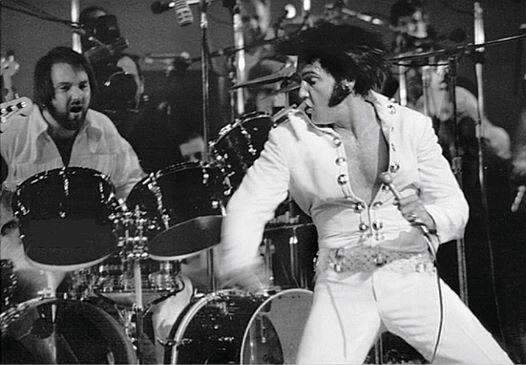
Elvis That’s The Way It Is came about at a time of huge upheaval in the world of entertainment. In Hollywood, the old studio system had collapsed, and the once dominant MGM, now under the harsh regime of James T Aubrey (the Smiling Cobra), was selling off its own history, including much of the backlot and countless props and costumes from classic films, to survive. Meanwhile, Elvis’ career was hitting a commercial and artistic peak, with hit records, an acclaimed television special and two wildly successful International Hotel engagements behind him. He was about embark on a relentless schedule of sold-out arena tours throughout the country, which would, for better or worse, continue right up to his death. Some audience shots from the first night of his September (1970) tour, in Phoenix, Arizona, are shown during the movie’s opening credits.
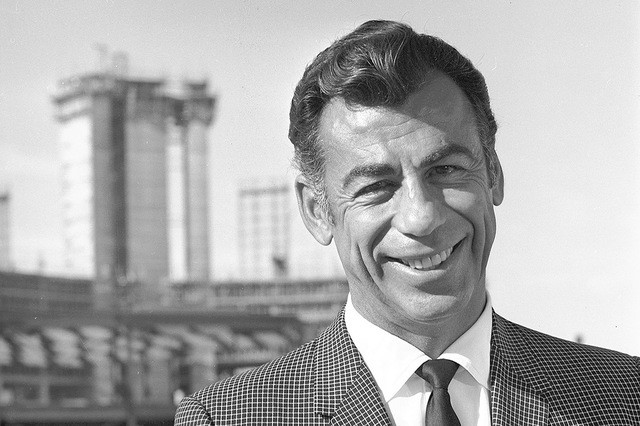
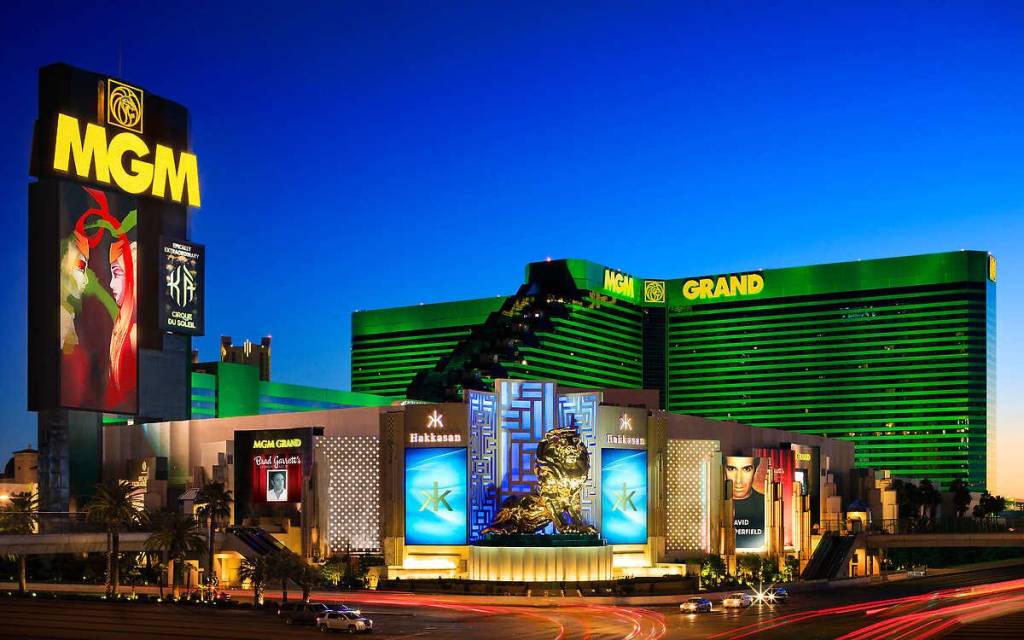
Meanwhile Kirk Kerkorian, rather conveniently in the context of the film the owner of both the International Hotel and MGM, was building up his Las Vegas hotel and leisure interests while winding back MGM’s movie output. Kerkorian (1917-2015) was the son of Armenian immigrants and, having sold his air charter business, began buying up Las Vegas real estate in 1962. According to his BBC News obituary, he was well known for buying and then selling MGM three times, making a profit each time. According to the same source, his net worth had fallen from USD 16 billion prior to the 2008 financial crisis to USD 4.2 billion at the time of his death.
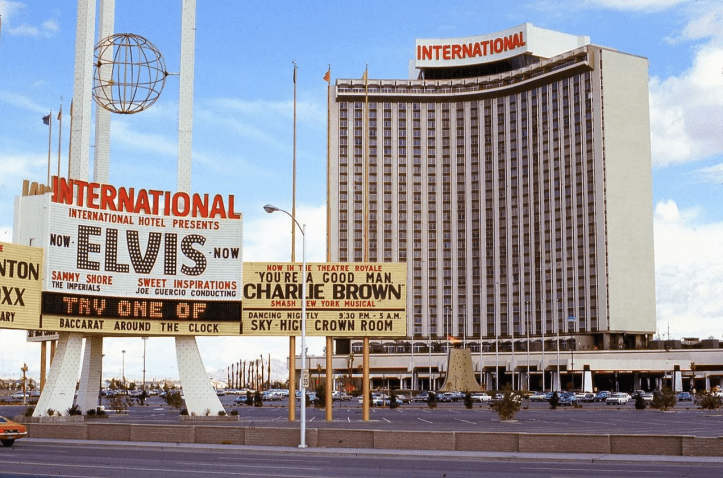
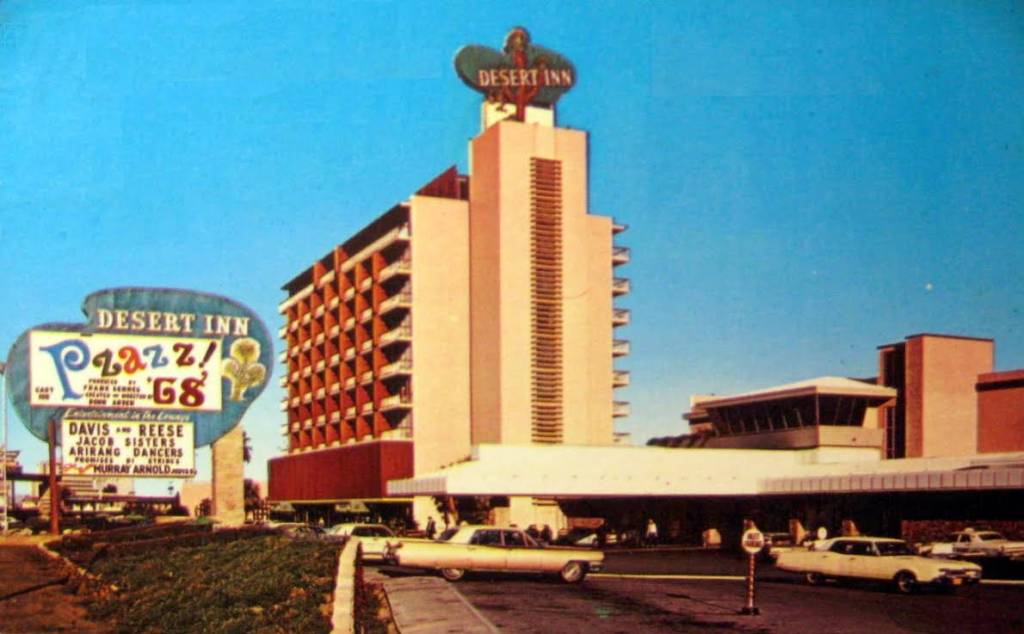
During the 1960s, organised crime influence in Las Vegas had progressively given way to corporatisation. According to PBS American experience;
“…On Thanksgiving Day in 1966, Howard Hughes, one of the wealthiest men in the world, arrived in North Las Vegas via a private train. He was placed on a stretcher, put into a van, and ushered to the Desert Inn on the Strip, near where he had lived in 1954… For four years, Hughes remained in the city, not once leaving the confines of his suite. In those four years, Hughes would become Nevada’s largest private employer, largest casino owner, largest property owner and largest mining claims owner. More importantly to Las Vegans, Hughes’ presence would help to soften the image of Las Vegas in the eyes of the general American public, making way for the city’s corporate, mainstream era…”
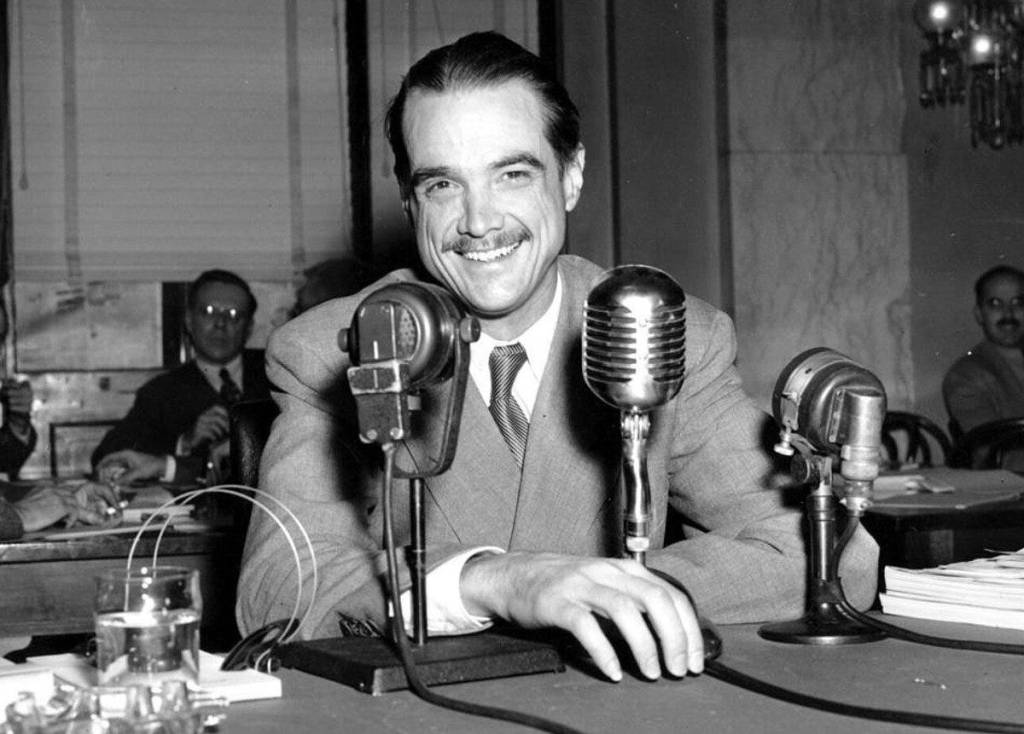
We go a little deeper into the history of Las Vegas in our episode, From Memphis to Vegas: A Vintage Leisure Tour, from which we also sampled for this omnibus edition.
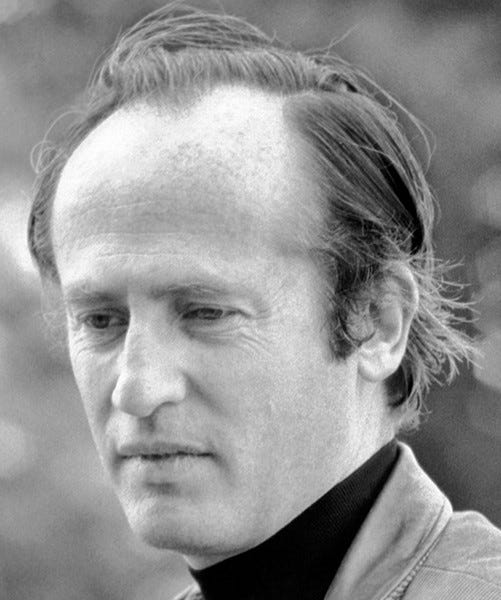
Just one of the influential and highly accomplished people behind Elvis That’s The Way It Is was (uncredited) producer, Herbert F Solow, who passed away in November 2020, aged 89. He was an MGM vice-president, in charge of the studio’s US and UK motion picture and television production. Prior to his tenure at MGM, he had worked for Lucille Ball at Desilu and had successfully pitched Star Trek to NBC, along with launching other iconic television franchises. According to his obituary in Variety, he ‘worked closely’ with Elvis during the making of the film.
Director Denis Sanders (1929-1987), pictured bottom right with Elvis, was a double Oscar winner, (short subject and documentary) and later film academic. In 1962 he directed War Hunt, which was very well received and featured Robert Redford in his first credited role (technically not his debut as we mentioned in the podcast), but was a cinema debut for Sydney Pollack and Tom Skerritt.
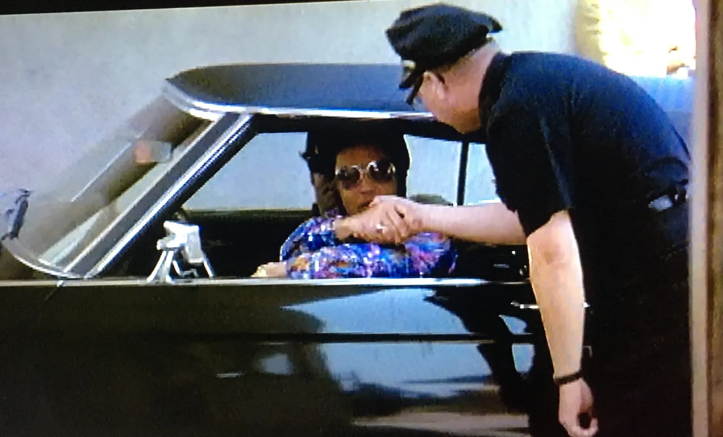
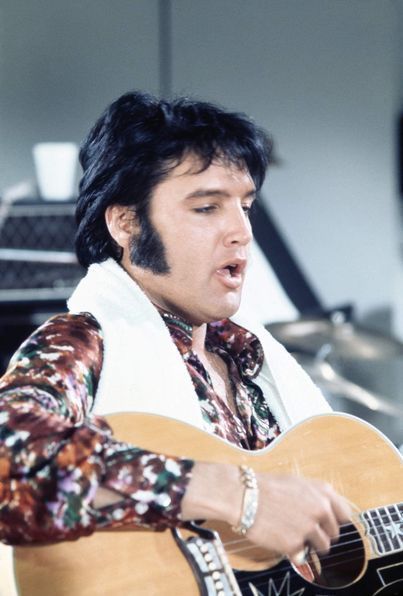
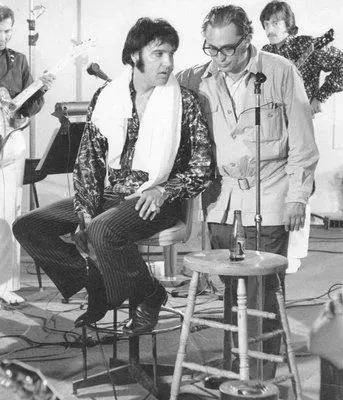
“What we’re trying to do,” Sanders told Jerry Hopkins for a feature in Rolling Stone, “is capture Elvis the entertainer, from the point of view of the fans, the hotel, the city, the audience.” The director also predicted that, “the film will make a fortune…but it will also change things stylistically.” It would be the first documentary to be shot in Metrocolor and Panavision, and to have a budget exceeding one million dollars.
In addition to the rehearsals, we are given an insider’s view of the extensive preparations taking place at the International Hotel, then under the quiet authority of widely admired hotel president, Alex Shoofey. Starting as a junior bookkeeper, he had worked his way up and had run the Flamingo, the Sahara and then the International Hotel. It was Alex Shoofey himself who had convinced an initially hesitant Colonel Parker to sign a long term contract with the hotel, following opening night of Elvis’ first engagement in 1969.
The Las Vegas Review Journal reported;
“…Shoofey wasn’t able to convince Presley’s manager, Colonel Tom Parker, to let the singer open the new Showroom Internationale. Instead, he booked Barbra Streisand, then a 27-year-old rising singer, to perform on opening night…Presley began a four-week engagement at the resort at $100,000 per week on July 26, 1969. After a successful opening, Shoofey and Parker negotiated a new deal to book Presley four weeks a year for five years at a salary of $125,000 per week…Shoofey called it ‘the best deal ever made in this town’…”
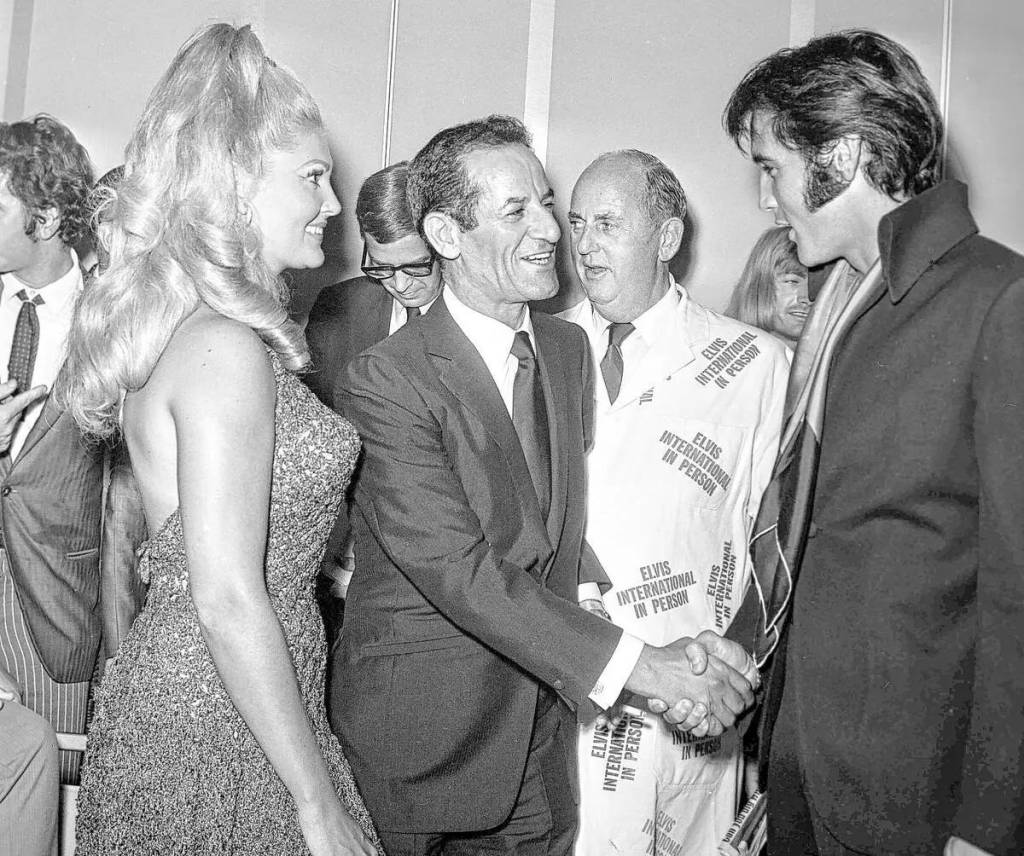
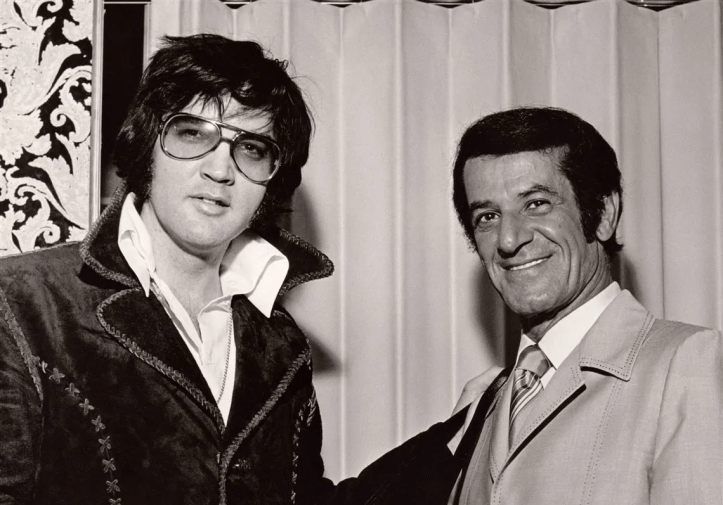
Hotel publicity director, Nick Naff, whom we also meet in the film, told Jerry Hopkins, “Elvis changes the entire metabolism of the hotel. And he is singularly significant in one regard; there is a constant occupancy. Tom Jones, they fly in, see the show, fly out again. Elvis has such a following, so many fans; for him, they fly in, check in, and stay the month.” During Elvis’ engagement the previous February, the maître d’ and showroom waiters alone split $300 000 dollars in tips for the month.
One of the quirkier aspects of the film are the segments featuring interviews with selected fans, one of whom The Village Voice rather unkindly described as ‘possibly the creepiest young man ever to appear on film’, although in fairness, his contribution was articulate and relevant. The Voice described director Denis Sanders as a ‘sociological sharpshooter zeroing in on every conceivable variant of American Gothic’.

Tinkerbell (the cat) is introduced as a ‘good fan’, who likes the ‘Vegas album’ because it has a lot of action. Also pictured with Tinkerbell are Sue Wiegert, who at that time ran the Blue Hawaiians for Elvis Fan Club, and Cricket Coulter, (right) who was Elvis’ friend for 11 years and worked for a time at the Graceland gates, although these genuine connections are not really evident in the way she and Sue are portrayed
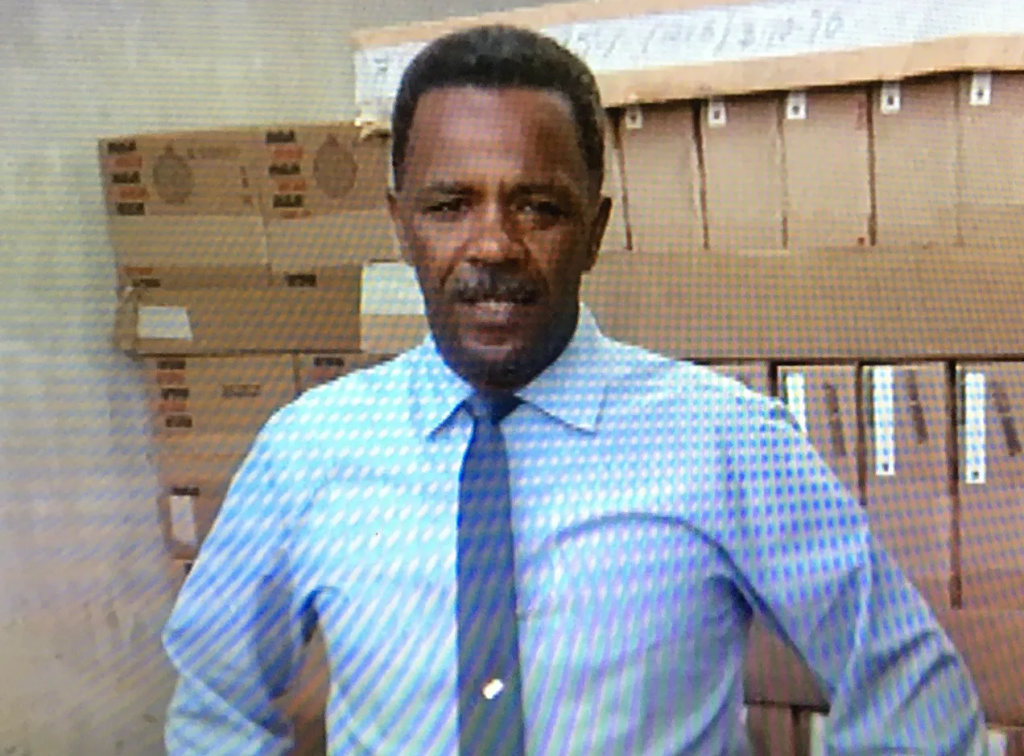
Another contributor to the movie is Ann Moses, at that time editor of teen fan magazine Tiger Beat and also correspondent for New Musical Express. She had also been an invitee for the intimate performance segments of Elvis’ 1968 ‘comeback’ television special. As of this edition (2025), she is active on social media and has provided some fascinating insights into Elvis That’s the Way It Is on her website, and you can link to that 2012 article here.
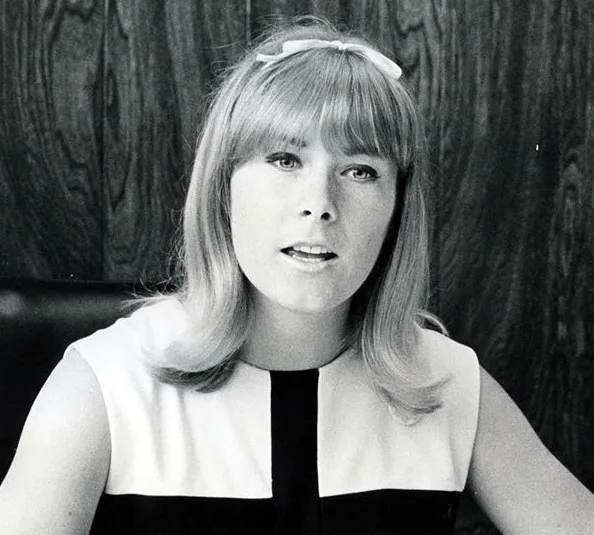

Following stage rehearsals with the full orchestra, the latter part of the film takes us into the showroom itself and features performances from the initial shows of the season.
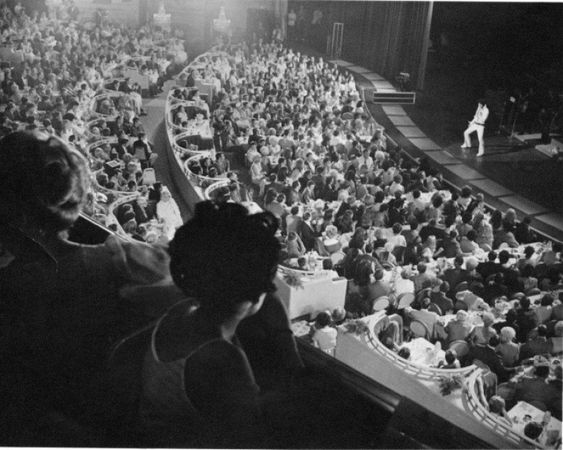
The official showroom capacity was around 2200. To satisfy the demand for tickets, Alex Shoofey said that they routinely packed in over 4 000 per show. This invariably led to some complications; occasionally fire wardens and safety inspectors raised concerns about general overcrowding, blocked exits and crowded passageways. Funnily enough, these objections tended to disappear in return for the promise of complimentary front row seats.
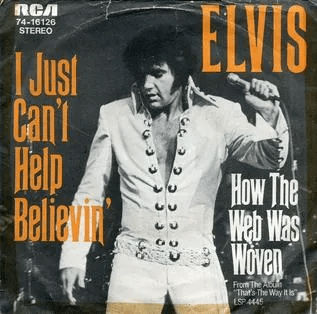
One musical highlight we shamefully neglected to mention in the podcast was I Just Can’t Help Believin’, which had been recorded around the same time by BJ Thomas and of which Elvis’ own version would also be a single, and appear on the That’s The Way It Is album. Since we recorded the (original) podcast, we learned that BJ Thomas sadly passed away (May 29th 2021), at the age of 78.
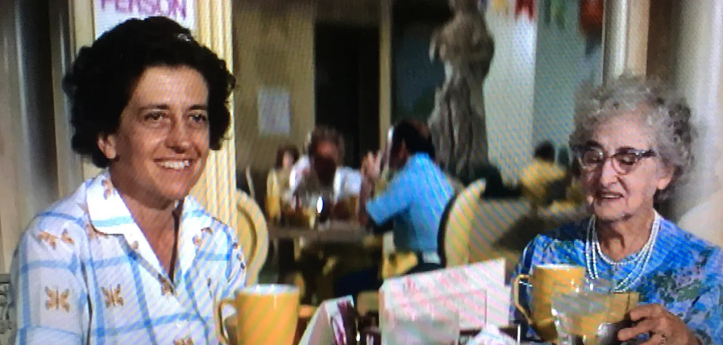
The movie went from principal photography to release in remarkably quick time, hitting cinemas ahead of Thanksgiving 1970. Colonel Parker had raised a number of objections in a letter to MGM head, James Aubrey, whom he addressed as ‘Dear Jim’, having gone over the heads of both director and producer. He was unhappy with some disparaging references to Elvis’ movies, the amount of time spent on fan interviews which he contended took away from the excitement of the performance footage, and the fact that showing the opulence of the hotel and the food might alienate less affluent fans beyond Las Vegas. Parker did succeed in getting some changes to the final cut.
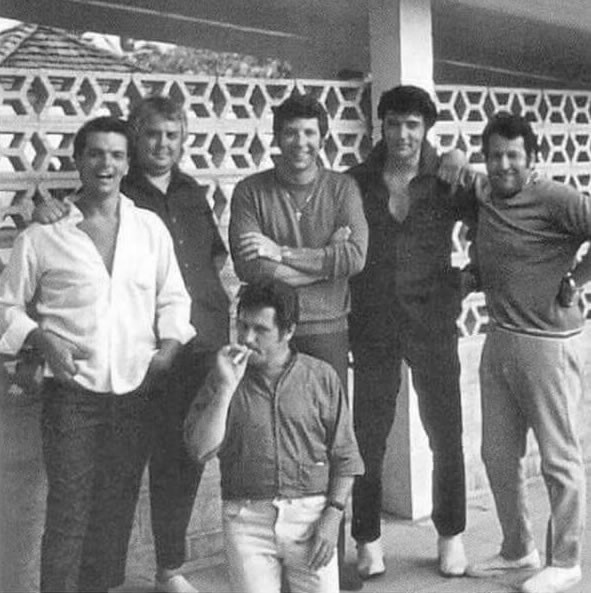
There’s a lot more to Elvis That’s The Way It Is than meets the eye. We hope you enjoyed the discussion as much as we did.
Special thanks to Gary Wells, and to all our readers and listeners.
Research Notes and Suggested Further Reading, Viewing and Listening;
Cricket Coulter at Elvis Week 2011
Gary’s articles on Elvis are highly recommended. Link here; https://soulrideblog.com/category/elvis-presley/
Denis Sanders’ Los Angeles Times obituary (1987); https://www.latimes.com/archives/la-xpm-1987-12-18-mn-19800-story.html
Easy Riders, Raging Bulls (A great book by Peter Biskind on the people behind the ‘New Hollywood’ and there is also a documentary film)
Last Train to Memphis and Careless Love; the Unmaking of Elvis Presley by Peter Guralnick – his two-volume, forensically researched biography.
Elvis and the Memphis Mafia by Alanna Nash (Gary’s recommendation)
Las Vegas Stripped Bare – a fascinating BBC World Service radio documentary from 2017 which can be streamed or downloaded for free, and takes a close and honest look at Las Vegas, past and present. It appears that Adele Edelman, the Las Vegas limousine driver who hosted the documentary, sadly passed away in 2018. Link here; https://www.bbc.co.uk/programmes/p055jw30
For those with an interest in Elvis’ Las Vegas and road tour dates, stats and schedules, stage jumpsuits, concert reviews and just about anything else to do with Elvis’ professional life on the road, Francesc Lopez’s website and quick reference databases are an essential resource. Link here; www.elvisconcerts.com
Here’s a link to Jerry Hopkins’ Rolling Stone article from September 17th, 1970; https://www.rollingstone.com/music/music-news/dont-you-go-winnin-elvis-no-oscars-39761/
George Fairbrother and DEC4 Publishing are not responsible for the content of external sites.
Please help us to maintain our page quality by reporting any malfunctioning or redundant links
 The DEC4 Podcast by George Fairbrother