On YouTube
On SoundCloud
Our leading contributor Gary Wells joins us to explore two tumultuous decades in the lives of the Beach Boys, through the lens of Malcolm Leo’s 1985 BAFTA nominated biographical documentary, The Beach Boys: An American Band.
We learn about some of the key people on both sides of the camera, and of Malcolm Leo’s established method of sourcing a wide variety of music and interview clips (long before the easy accessibility of digital archives) to create an intimate, first-person narrative.
The Beach Boys: An American Band is a fan’s movie; if you already love the Beach Boys, you’ll love them even more after immersing yourself in this documentary. (Spoiler – we love it!). If you’re just starting out on a journey of discovery learning about the Beach Boys and their impact on 20th century music and culture, this is a wholly enjoyable place to begin. But, it’s worth noting that it was far from the complete story even then, and there have been 40 more years of eventful Beach Boys history since.
Companion Newsletter
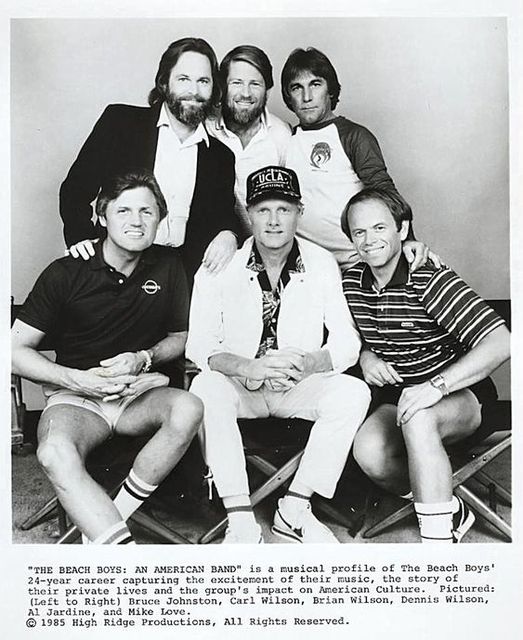
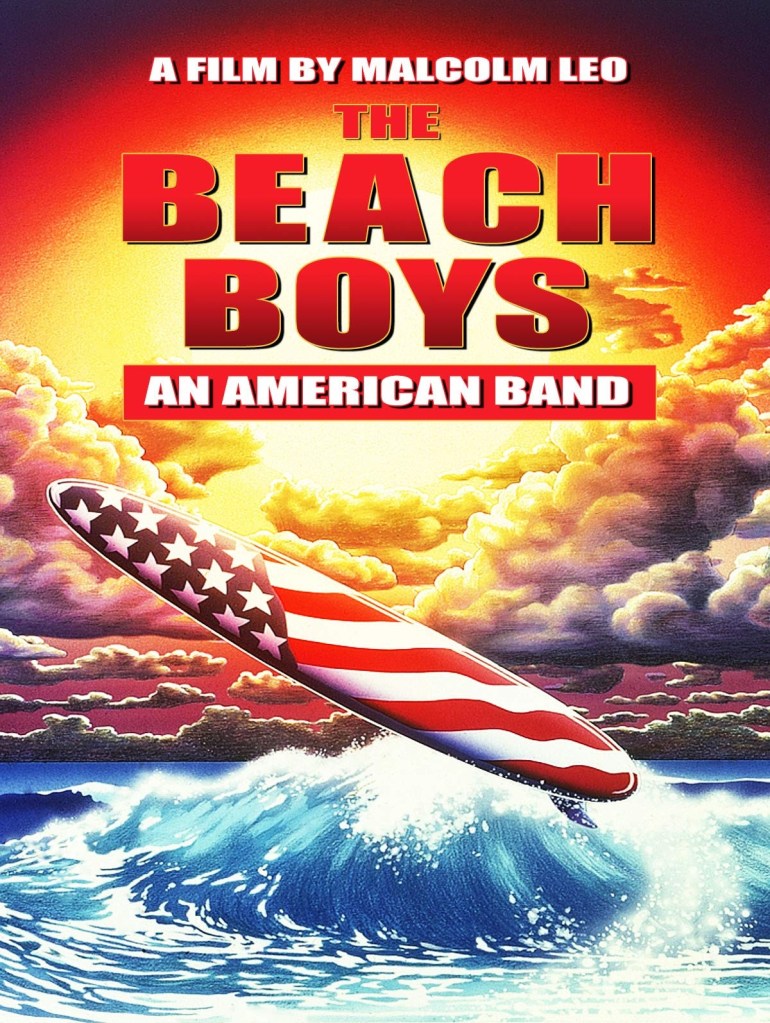
The Beach Boys: An American Band is a BAFTA-nominated documentary film which was written, produced and directed by established music documentarian, Malcolm Leo. Cinematography was by John Toll, who went on to win consecutive Academy Awards in 1994 and 1995, for Legends of the Fall and Braveheart.
Tom Hulett and Jerry Schilling are credited as technical advisors. These will be names familiar to students of Elvis history; Tom Hulett was a co-founder of Concerts West, pioneering arena tour promoters in the 1970s, co-managing Elvis’ touring operations, while Jerry Schilling maintained a diverse and successful career in his own right while part of the Memphis Mafia; he worked with Malcolm Leo on the partially dramatised documentary, This is Elvis (1981), and managed both Carl Wilson personally and the Beach Boys. Tom Hulett also became a talent manager (Tom Hulett and Associates) and worked with a number of major acts including the Beach Boys.

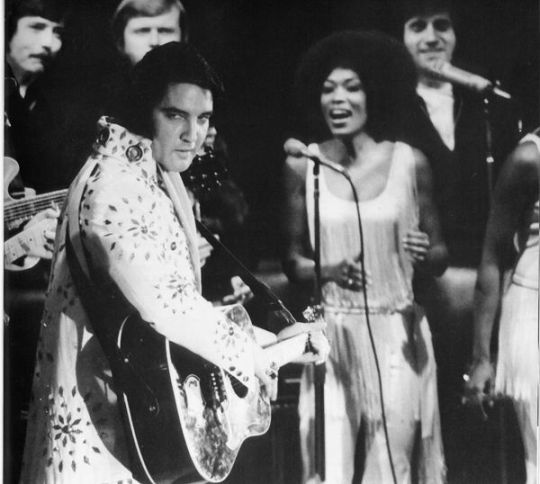
Myrna Smith worked with Elvis as part of backing vocal group the Sweet Inspirations and was married to Jerry Schilling (1982-87). She collaborated vocally and in terms of songwriting with Carl Wilson on his two solo albums, Carl Wilson (1981) and Youngblood (1983). Myrna Smith passed away in 2010, aged 69.
In a 2003 interview with Malcolm Leo from documentary.org, we learn a little about his style of collating existing footage to create a narrative;
“…We could acquire footage that theretofore (sic) may have lain dormant in a film vault. But it became a very interesting methodology of taking X and Y and getting Z out of it…”
The interview also provides some biographical details;
“…Like many documentarians, Malcolm Leo got his start at David L. Wolper Productions along with Mel Stuart, Jack Haley Jr., William Friedkin, David Seltzer and Walon Green. Born in New York and educated at North Hollywood High School and University of California, Santa Barbara, he grew up in the twin surf and music cultures that shaped the sensibilities of American youth throughout the 1960s. His work reflects that period which – though some mislabel it nostalgia – was actually a revolutionary period of experimentation, growth and social drama. Leo’s films create a mood as well as a history of popular culture. Having been involved in some three dozen productions, he is now in the process of making his extensive footage library available for license…”
Malcolm Leo also has some interesting things to say about music licensing generally, and when asked by interviewer Nat Segaloff how objective he could be when the permission of his subjects was required, he answered;
“…The essential relationship with artists is linked to the understanding of the undertaking. When I undertook The Beach Boys: An American Band (1985), the last thing I wanted to do was make a puff piece on the Beach Boys…”
One of the satisfying aspects of The Beach Boys: An American Band is that Malcolm Leo has the courage to allow us to see and hear the music clips in full, rather than excerpts. He was able to source some great footage of the Beach Boys’ early performances, and we should emphasise that this was long before digitisation. Assembling clips and securing the rights from various archives, vaults and sources was a major logistical operation in itself. It’s also worth considering from a fan’s perspective just how inaccessible this content was in those days. Unless you were lucky enough to own some clips on video, or happened upon an old concert or documentary on late night television, there was no opportunity at all to see this footage, unlike now when so much is available online.
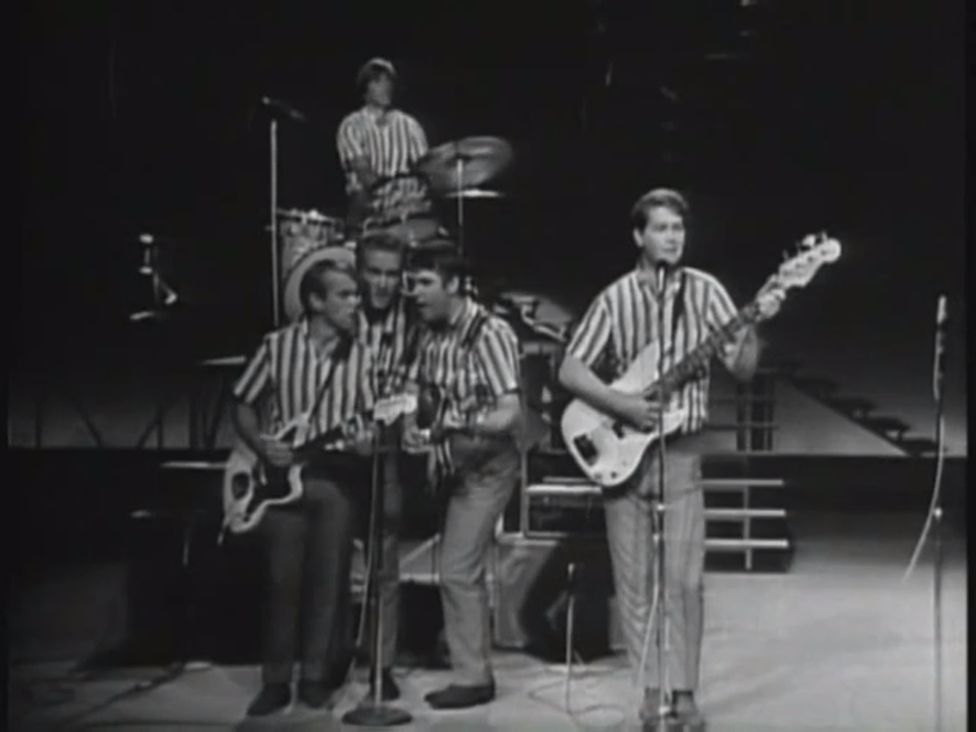
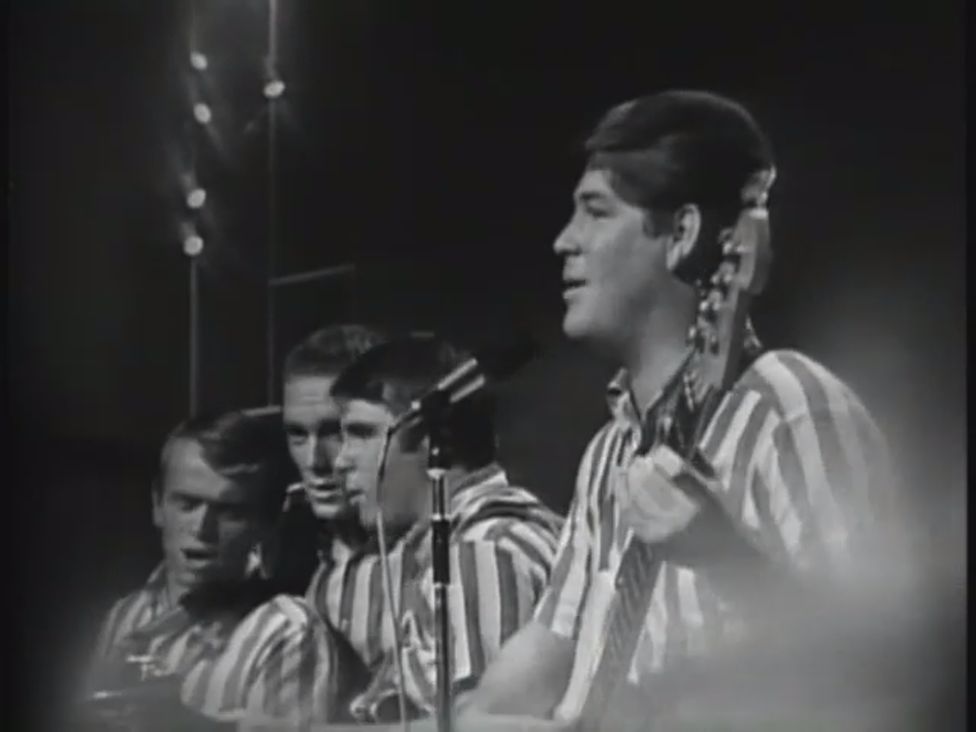
Malcolm Leo draws heavily upon a 1976 television special The Beach Boys: It’s OK, (aka) The Beach Boys: Good Vibrations Tour, by Saturday Night Live’s Lorne Michaels, Dan Aykroyd, John Belushi and Gary Weis, and music clips from television variety shows and specials, with some great performances including Student Demonstration Time and a joyous, ironic version of Okie from Muskogee, from a 1971 concert special, The Beach Boys: Good Vibrations from Central Park.
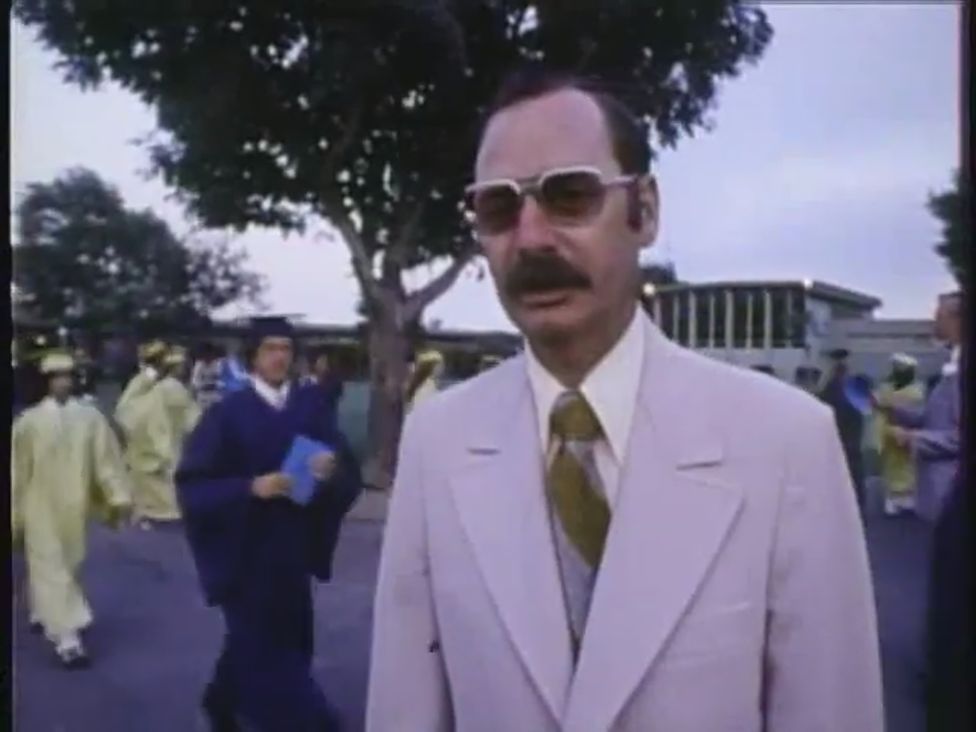
We hear from Brian’s high school music teacher (Fred Morgan), who confesses to giving Surfin’ an F when submitted by Brian as a school assignment, but acknowledges that the commercial release made a million dollars. There was an interesting postscript to this in 2018, when Brian returned to Hawthorne High…

According to The Daily Breeze (which conflates Surfin’ with Surfin’ USA);
“…Principal Vanessa Landesfeind made the symbolic course correction and presented Wilson with a certificate changing that F to an A. ‘It’s Beach Boys’ legend that he was failed on this one assignment,’ Landesfeind said. ‘He was a good student and an athlete. He never failed a class. It was our opportunity to say, you’re awesome, we’re honored to have you at the school.’ …”
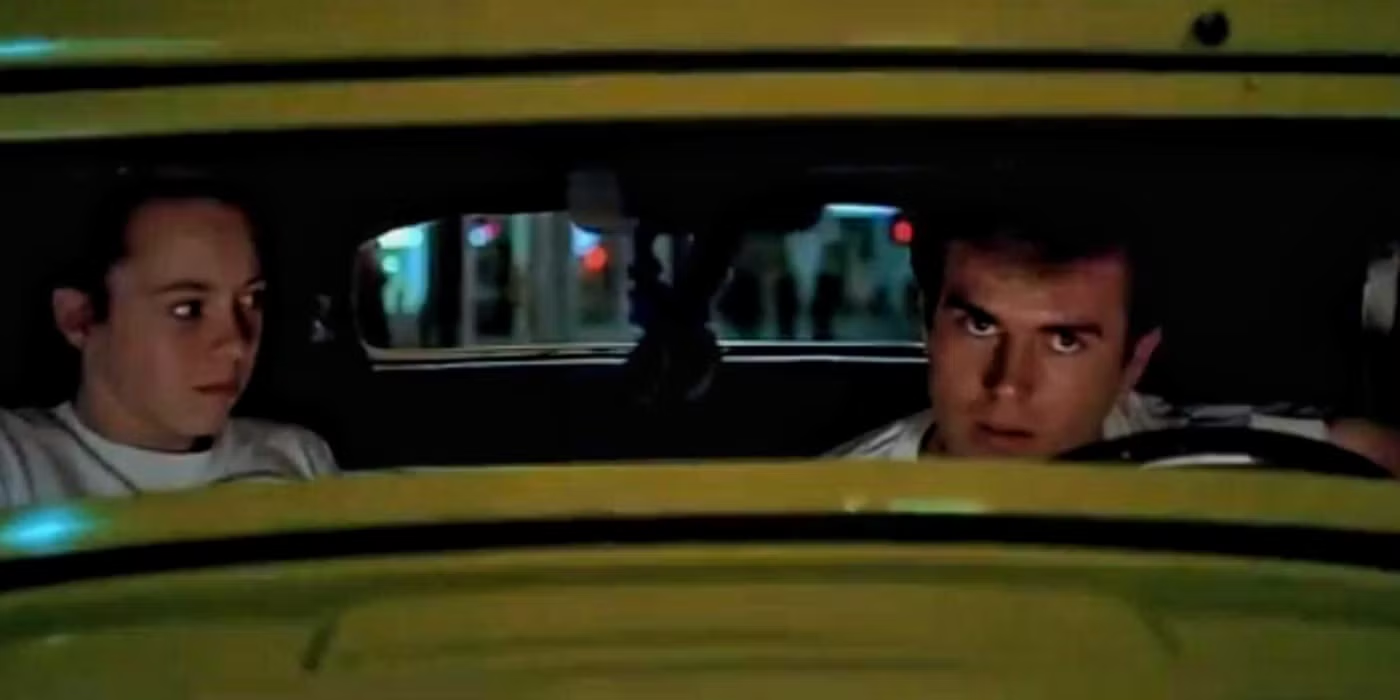
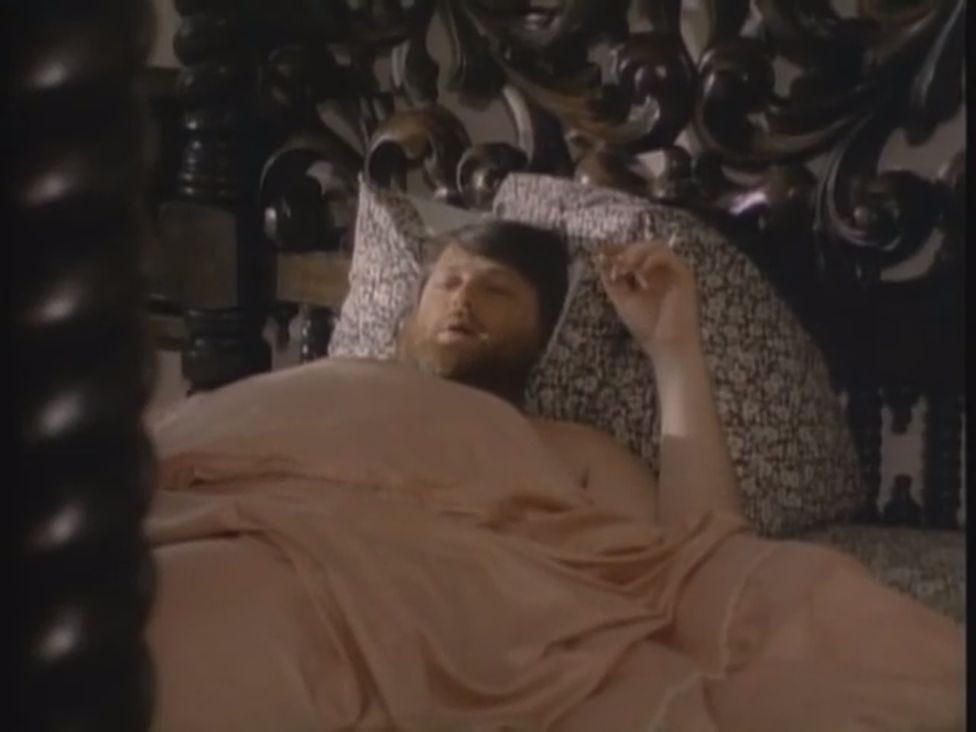
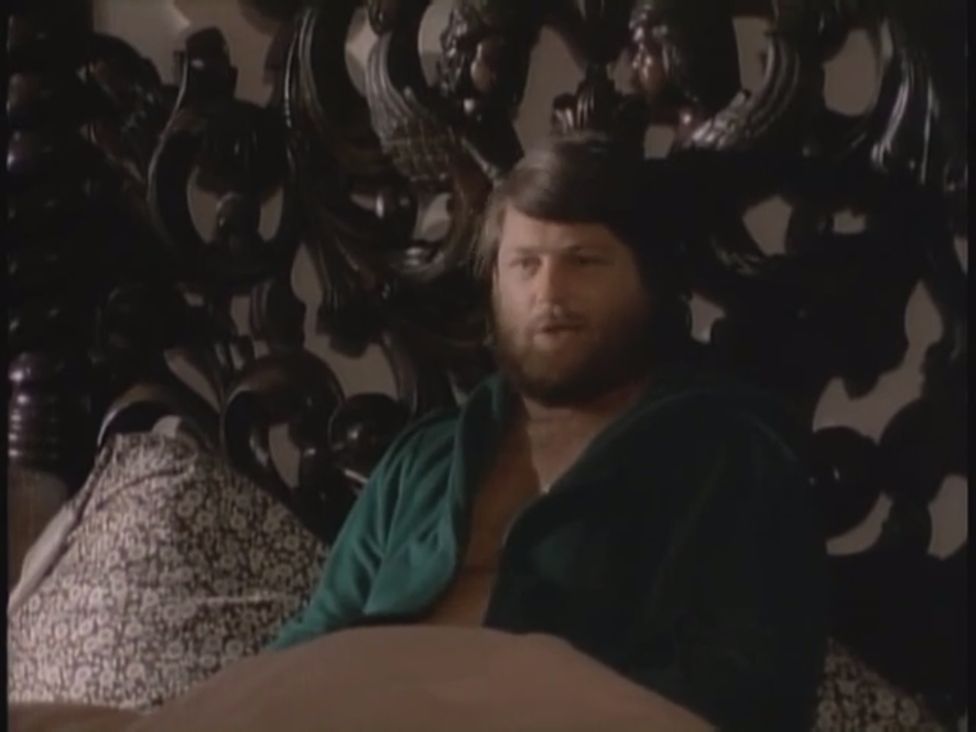
The evolving story is told by the Beach Boys themselves, including Brian, who is candid about his drug and mental health issues. This aspect of Beach Boys history impacted the final edit, as Malcolm Leo explained in his interview with Nat Segaloff;
“…I thought I had (right of final cut) in writing…There was something they asked me to take out: Brian Wilson was very open about his personal dilemma with drugs and wanted the whole story to be told straight, without pulling any punches. There was a line when he said, “I was smoking hash in the studio and so were the boys,” and one of the other Beach Boys said, “You gotta take out ‘so were the boys.'” And I did…”
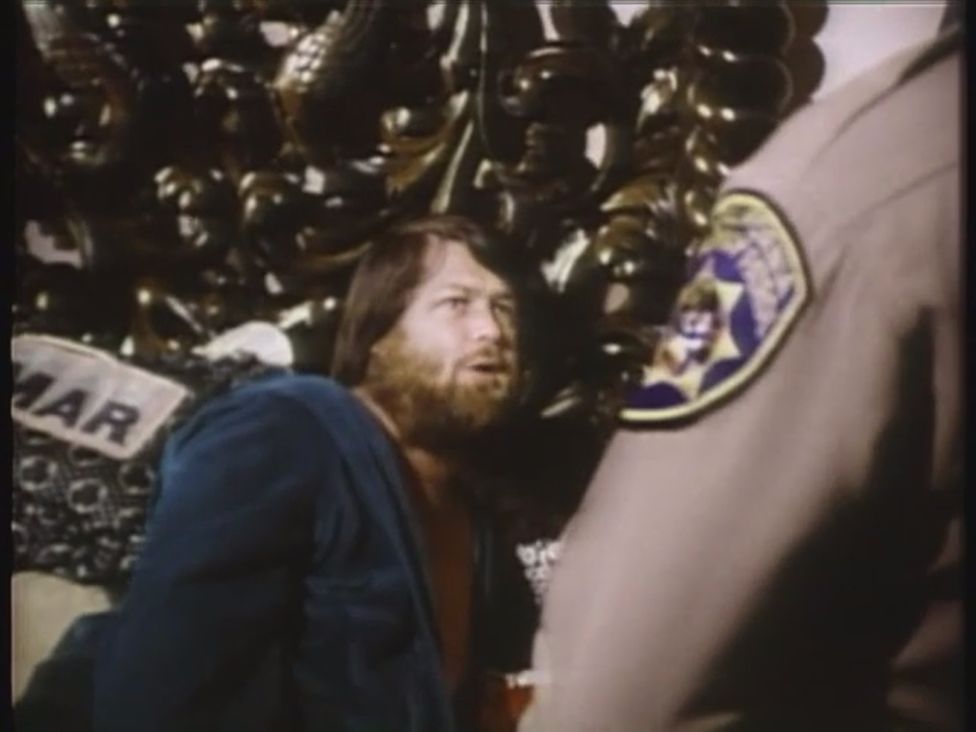
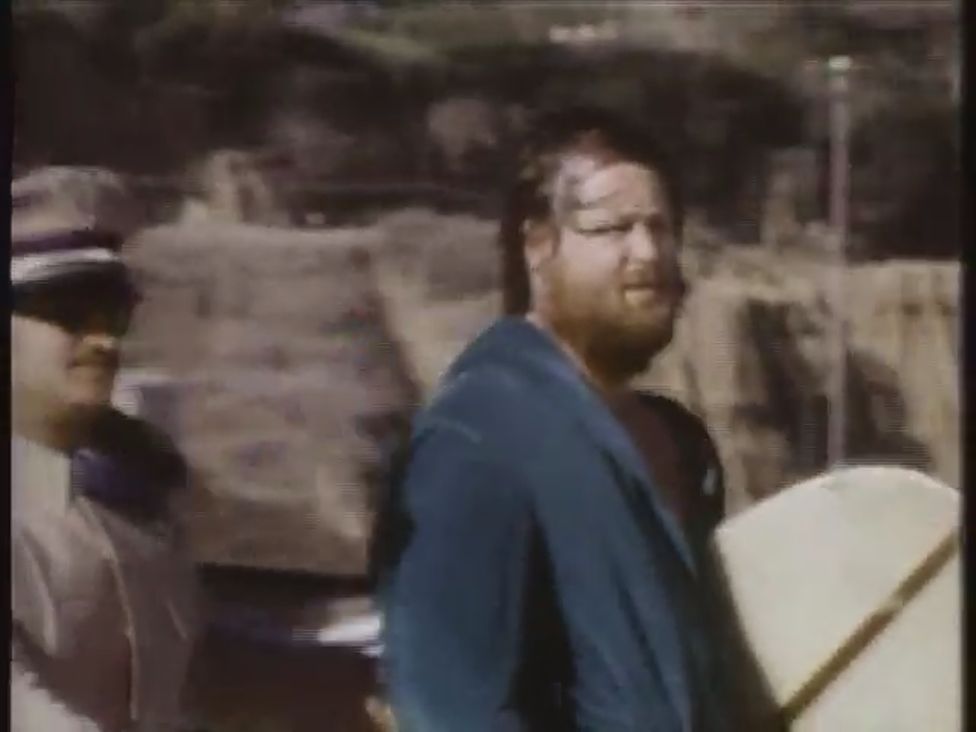
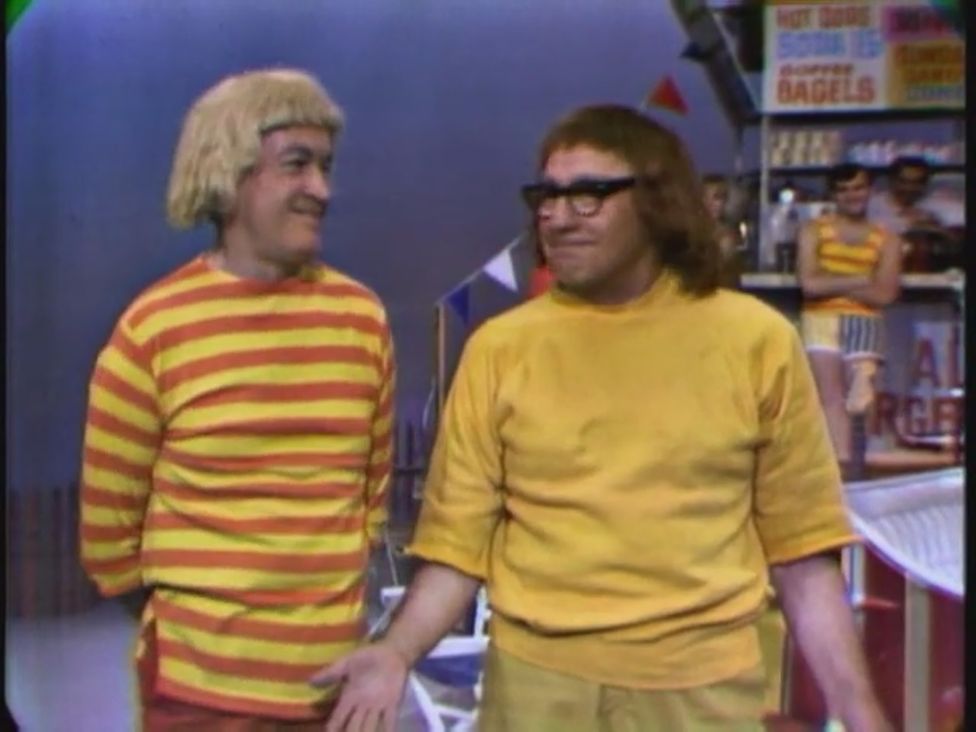
In a stunt originally filmed for The Beach Boys: It’s OK special, Dan Aykroyd and John Belushi turn up at Brian’s home as the ‘Highway Patrol Surf Squad’, and drag him off to the beach to go surfing. Although Brian takes it all with admirable forbearance and grace, he was angry and disgusted over the experience, as Gary explains. In hindsight, based on what we know about Brian himself and hopefully with a more enlightened attitude to mental health, the segment has not aged well.
We follow the Beach Boys’ career from early performances of signature hits and their creative growth well beyond car and surf themed party music. We experience close-up their professional slumps and triumphs, and personal crises, and their redemption and acceptance as ‘America’s Band’, a staple of stadium shows and July Fourth celebration concerts in front of huge audiences.
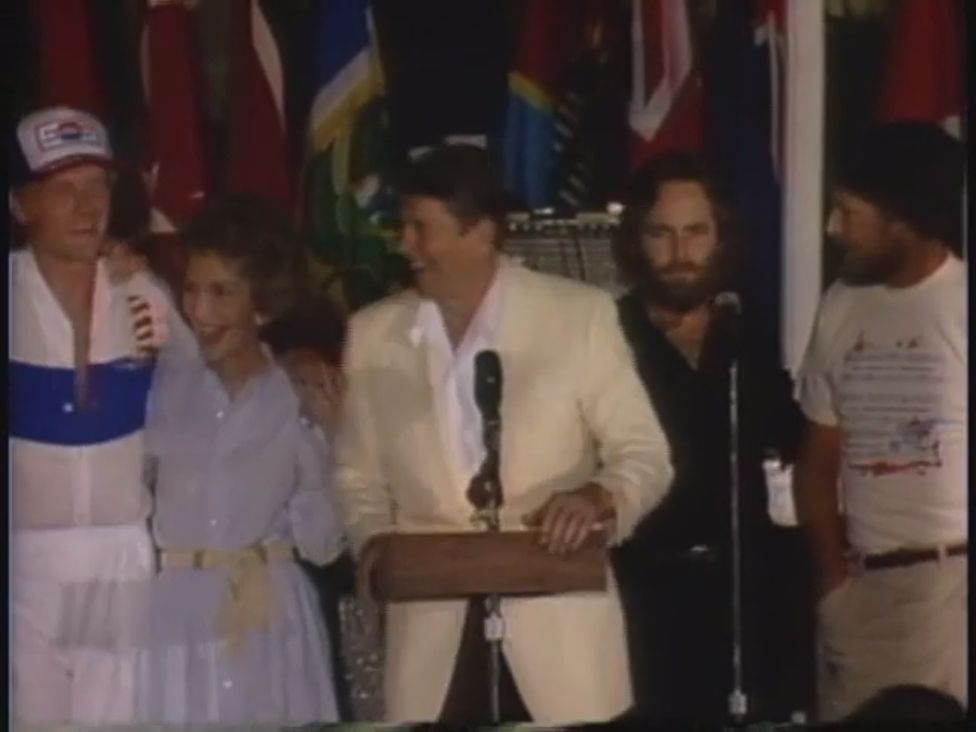
The Beach Boys: An American Band has a bittersweet although ultimately optimistic ending. In the early 1980s, the Beach Boys themselves are more popular than ever on the touring circuit, while Brian appears to be back in great shape through a regime of treatment that would later become highly contentious. At the same time we see Dennis sadly struggling as a result of addiction. Following Dennis’ untimely death in 1983, they vow to carry on, as Carl tells reporters, “We are not disbanding, we know that Dennis would like us to continue in the spirit and tradition of the Beach Boys.”
As we point out in the podcast, The Beach Boys: An American Band is a thoroughly enjoyable and enlightening movie, and a great fan experience. If you want to see the best in the Beach Boys, professionally and personally, it’s a perfect way to do it; the evident love and affection between the brothers is endlessly endearing. However, it’s far from the whole story; the true extent of family patriarch Murry Wilson’s behaviour, described by author Timothy White as part of a family (male line) ‘legacy of pain’, is left alone, and there is no mention of Charles Manson and his deeply troubling incursion into the professional and personal lives of the group through Dennis. Gary argues that some editorial decisions have to be made, and venturing into these highly complex and darker areas would have resulted in a very different movie. Did Malcolm Leo achieve his ambition of not creating a ‘puff piece’? The jury might still be out.
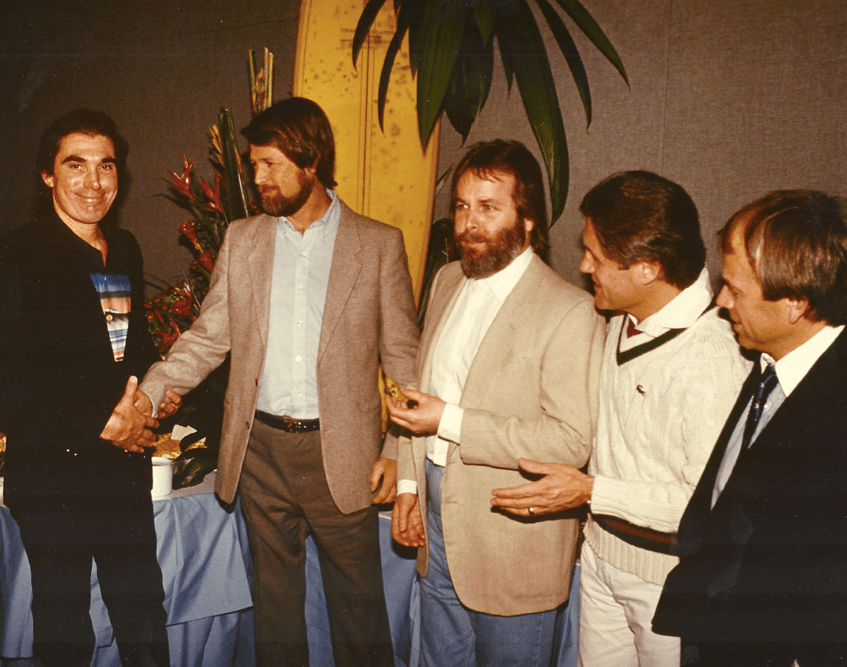
As we come to the end of The Beach Boys: An American Band, Gary draws our attention to this comment from a rejuvenated Brian Wilson, speaking at a reception leading up to the Beach Boys headlining what promised to be the biggest ever Fourth of July concert in Washington, with over 500 000 people expected to attend;
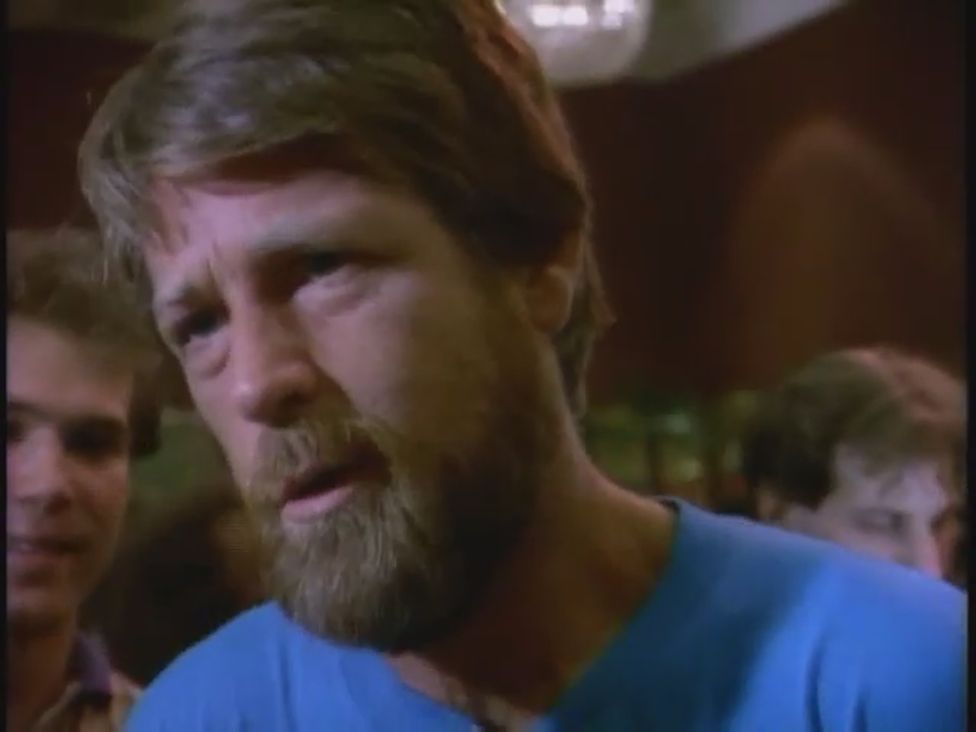
“…The family that sings together stays together…we love each other…It’s a time where we need to be strong, and face up to our responsibilities and come through, I mean, we started out as little babies, and we grew up into men, you know, and that’s a dramatic story, it’s the story of the Beach Boys, it’s a very dramatic story…I foresee a good future for us, with a lotta good happy thoughts, and a lotta good times…”
We hope you enjoyed our journey through The Beach Boys: An American Band. Special thanks to Gary Wells and to all our readers and listeners.
(Post edit: We note with sadness Brian Wilson’s passing, (announced) June 11, 2025, aged 82.)
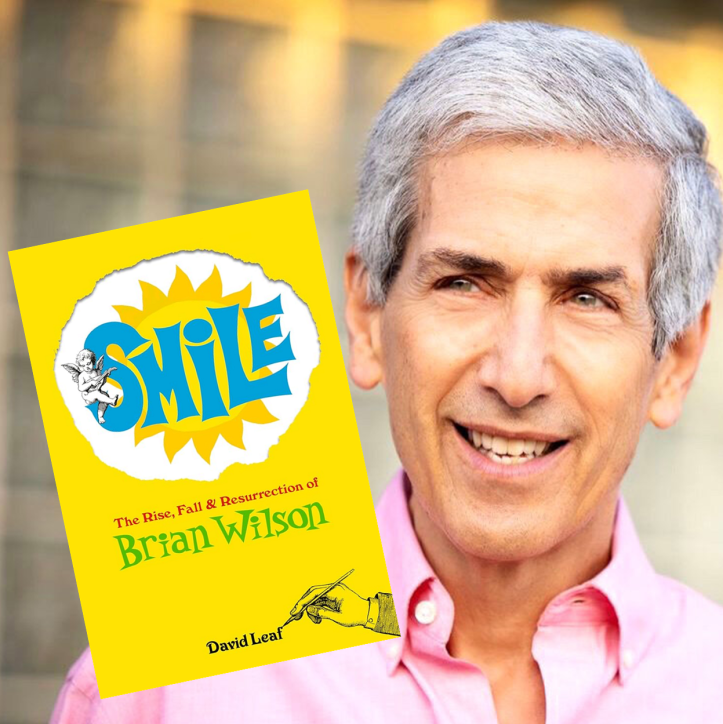
Our Interview with David Leaf
Suggested Further Reference
Gary Wells: The Beach Boys (Topic)
Interview with Cinematographer John Toll (Wide Angle / Closeup)
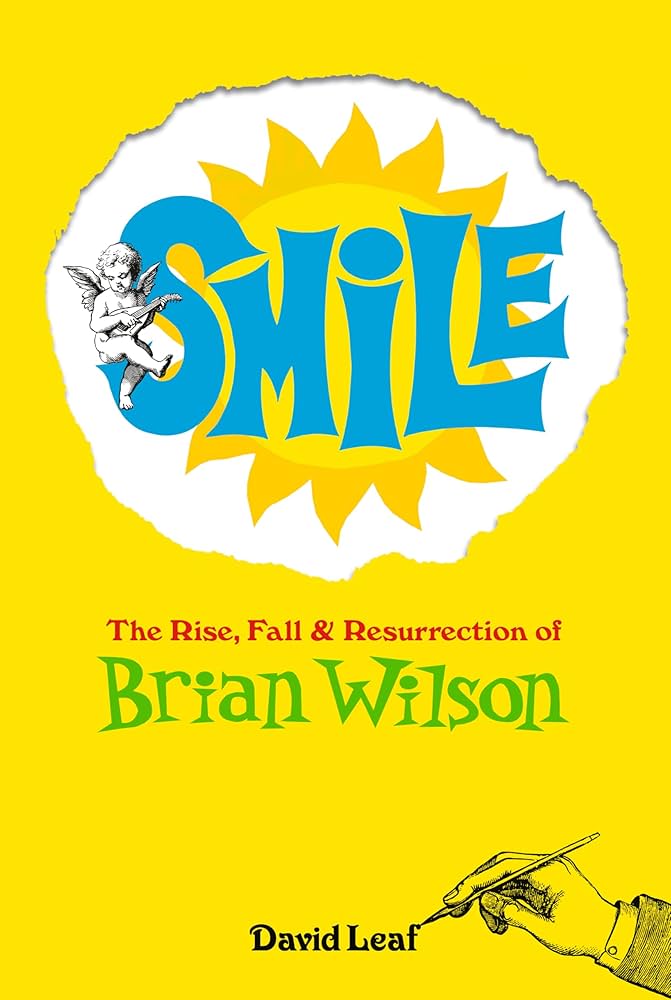
Works on Brian Wilson by David Leaf are highly recommended.


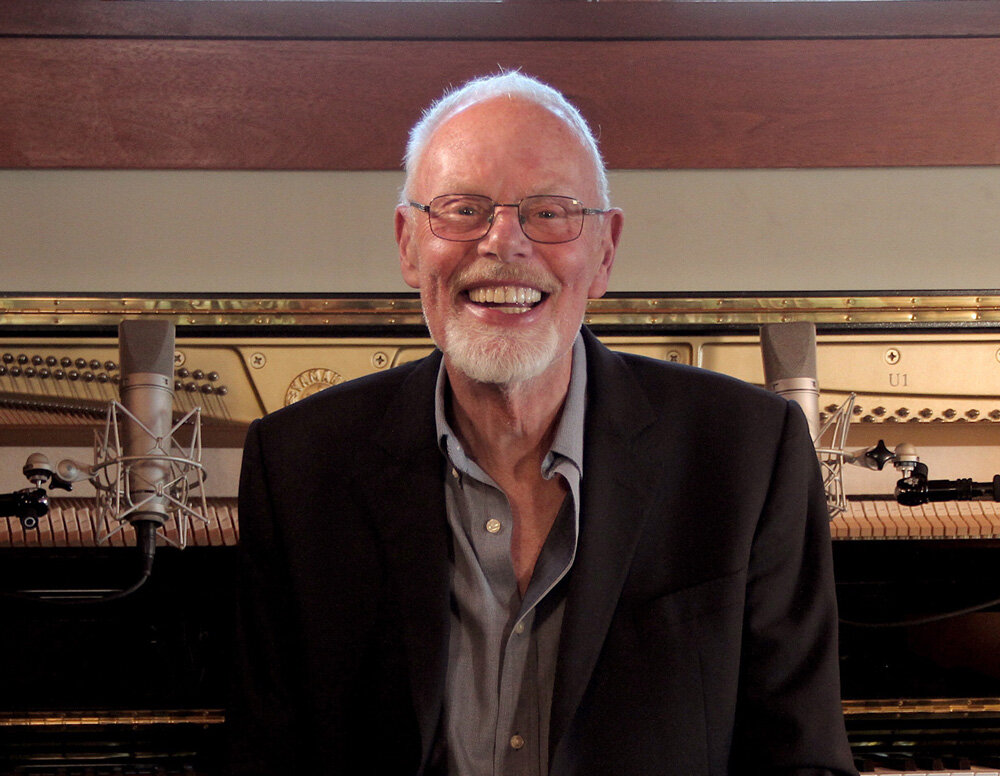
The Beach Boys: An American Band samples briefly from an interview with Bob Harris, one of the finest music interviewers of all time, for his show, Old Grey Whistle Test, in the UK. The full conversation is on YouTube on at least two channels and it is arguably one of the best interviews with Brian ever done. Bob Harris is still working at the time of this writing, on BBC radio, and is active on social media.
DEC4 Podcast: The Beach Boys Book Club
DEC4 Podcast (Clip and supplementary article): Murry Wilson and the Legacy of Pain
Gary Wells – Book Talk – Helter Skelter (Charles Manson)
Brian Wilson: I Just Wasn’t Made For These Times ( 1995 documentary by Don Was)
Some suggested additional reading;
Heroes and Villains: The True Story of the Beach Boys, by Steven Gaines
(The titles below are reviewed in our Beach Boys Book Club episode. We also reference Dennis Wilson: The Real Beach Boy by Jon Stebbins and the excellent BBC Wales documentary.)
Good Vibrations: My Life as a Beach Boy, by Mike Love and James S Hirsch
The Nearest Faraway Place: Brian Wilson, The Beach Boys and the Southern California Experience by Timothy White
I am Brian Wilson, by Brian Wilson and Ben Greenman
Please help us to maintain our page quality by reporting any redundant or malfunctioning links
 The DEC4 Podcast by George Fairbrother